Landscaping around mobile home skirting in Indian Hill, OH does more than dress up a lot. It protects the structure underneath, hides utility access panels, and slows erosion on the area's sloped, clay-heavy ground. This guide walks through plant picks sized for our climate, skirting styles, hardscape ideas, and the clearance rules you actually need to follow before you dig.
Why Landscaping Around Skirting Matters Here
Landscaping around a manufactured home does two jobs at once. It adds curb appeal, and it shields the skirting and foundation from wear. In our project work across Indian Hill and the wider Cincinnati area, the most common mistake we see isn't plant choice, it's homeowners packing mulch or dense shrubs tight against vents and then wondering why moisture builds up under the home by the following winter.
Added Privacy
Shrubs, hedges, lattice screens, and trellised vines create natural seclusion where homes sit close together. A row of evergreen shrubs along the skirting line can block sightlines from neighboring properties without requiring a fence permit. For a faster, denser screen, pair a trellis with a climbing vine. Our landscaper services team can help you pick varieties that stay full year-round without overwhelming the skirting line.
Reduced Soil Erosion
Sloped lots lose topsoil quickly during heavy rain, and that runoff can undermine skirting and foundation supports over time. Grading the lot properly and planting ground cover along the skirting perimeter slows water flow and holds soil in place. Seeding establishes perennial vegetative cover, which helps control soil erosion on disturbed areas by protecting bare soil surfaces from displacement by raindrop impacts and reducing stormwater flow rates and volumes. That's exactly the mechanism at work when ground cover is planted tight along a skirting perimeter instead of leaving bare dirt exposed.
Understanding Mobile Home Skirting: Styles & Ventilation Rules
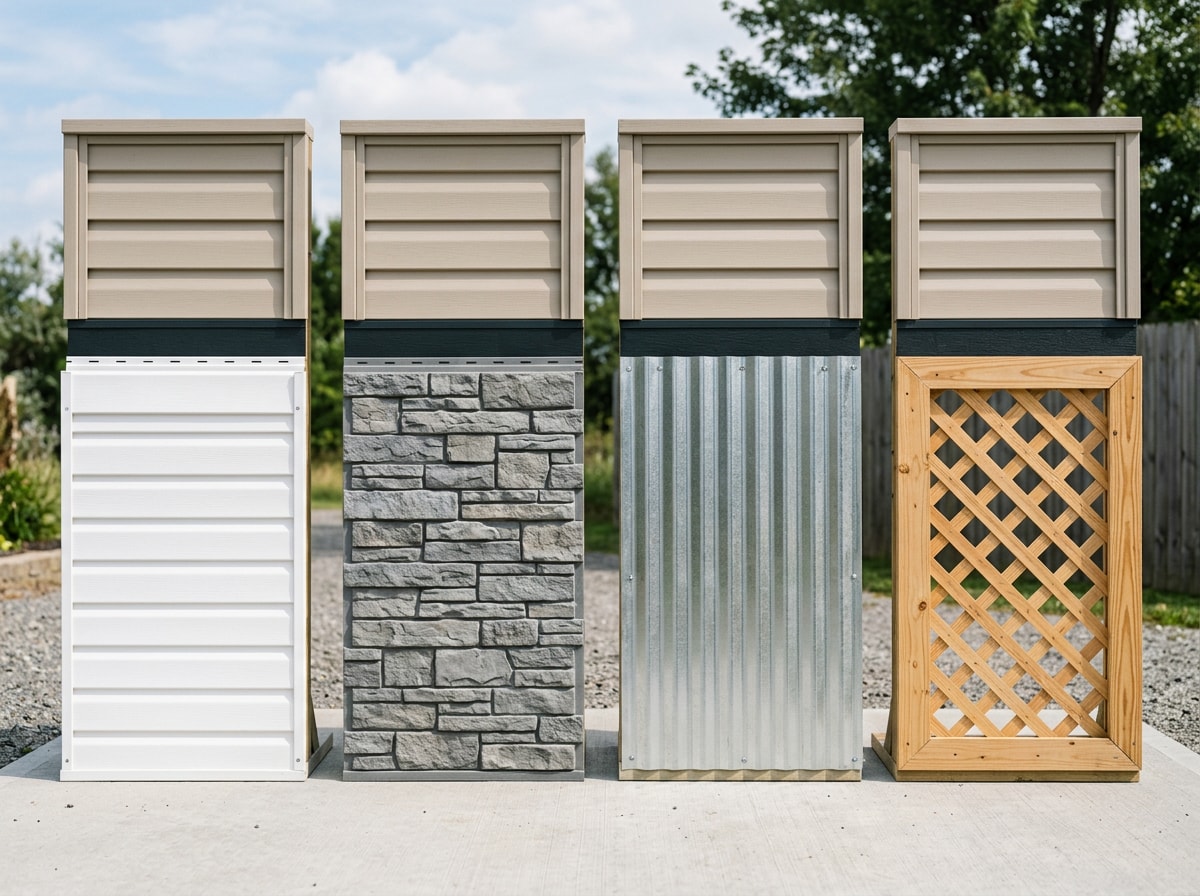
Skirting is the panel system that encloses the space between a manufactured home's floor and the ground. It hides the chassis, keeps pipes insulated, and gives homeowners usable storage space underneath while providing pest exclusion and airflow.
| Skirting Material | Typical Cost Feel | Maintenance | Best Landscaping Pairing |
|---|---|---|---|
| Vinyl | Budget-friendly | Low, can crack in extreme cold | Dark mulch, low groundcover |
| Metal | Mid-range | Can dent and rust over time | Gravel beds, ornamental grasses |
| Faux stone / brick | Higher upfront | Low, long-lasting | Rock beds, structured hedges |
| Lattice wood | Mid-range | Needs periodic sealing | Climbing vines, cottage-style beds |
Whatever material you choose, your landscaping should complement it rather than compete with it. Skirting ventilation is also federally regulated. The Standards are published in the Code of Federal Regulations under 24 CFR Part 3280 , and ventilation openings are typically sized relative to the home's floor area, with a net area of not less than one square foot for each 150 square feet of under-floor area under the model installation standard most jurisdictions follow. Landscaping should never block those openings.
Planning Your Landscaping Project
Before any digging starts, measure your lot and sketch where skirting, vents, and access panels sit. Spend a few days watching sun and shade patterns, since that dictates which plants survive near the skirting line.
Indian Hill is also a different kind of site than most mobile home communities nationally. Indian Hill's zoning ordinance shows minimum lot sizes of 5 acres in District A, 3 acres in District B, and 1 acre in District C , which means manufactured homes here often sit on far more private acreage than homes in a typical mobile home park, with fewer close-set neighbor sightlines to screen but more open yard to plan around. Check with the village's planning and zoning office before adding permanent beds, walls, or structures. A quick consultation through our landscaper team can also save you from costly trial and error on a sloped or irregular lot.
Best Plants for Zone 6b Around Skirting
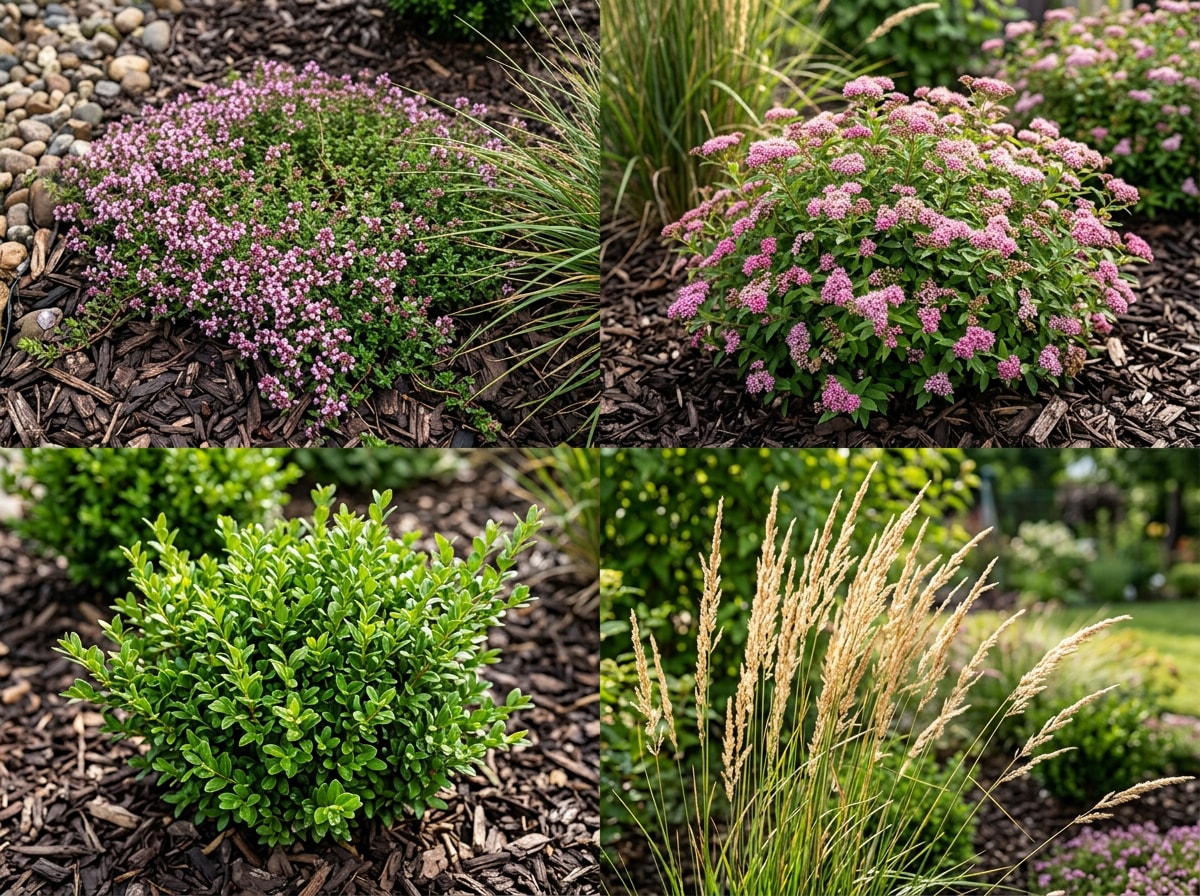
Plant choice near skirting affects both appearance and the skirting's lifespan, since aggressive roots can crack panels and dense foliage can trap moisture against vents. Columbus, Cincinnati, Dayton, and Toledo are in zone 6b on the current USDA Plant Hardiness Zone Map, so plant choices for Indian Hill should tolerate cold winters and humid summers.
| Plant | Mature Size | Light Needs | Hardiness |
|---|---|---|---|
| Boxwood | 3-4 ft | Full sun to part shade | Thrives in Zone 6b |
| Dwarf spirea | 2-3 ft | Full sun | Reliable in Zone 6b |
| Creeping thyme | Under 6 in | Full sun | Hardy to Zone 4 |
| Feather reed grass | 3-5 ft | Full sun to part shade | Hardy to Zone 5 |
| Hydrangea | 3-6 ft | Part shade | Hardy to Zone 5 |
Boxwood and dwarf spirea work well for structured privacy hedges, while hydrangea adds seasonal color without an aggressive root spread. Creeping thyme and other low groundcovers fill gaps along the skirting base and help with erosion control, and feather reed grass adds texture with minimal upkeep. For a deeper plant-by-plant breakdown suited to our region, our Mariemont landscaping and planting guide covers seasonal timing in more detail.
Creative Landscaping Ideas Around Skirting
These ideas can be mixed and matched along the skirting line depending on your budget and the space you have to work with.
- Flower bed border — Layer taller perennials toward the back and shorter annuals up front. Rotate seasonal flowers, tulips in spring, mums in fall, to keep the bed fresh without a full redesign each year.
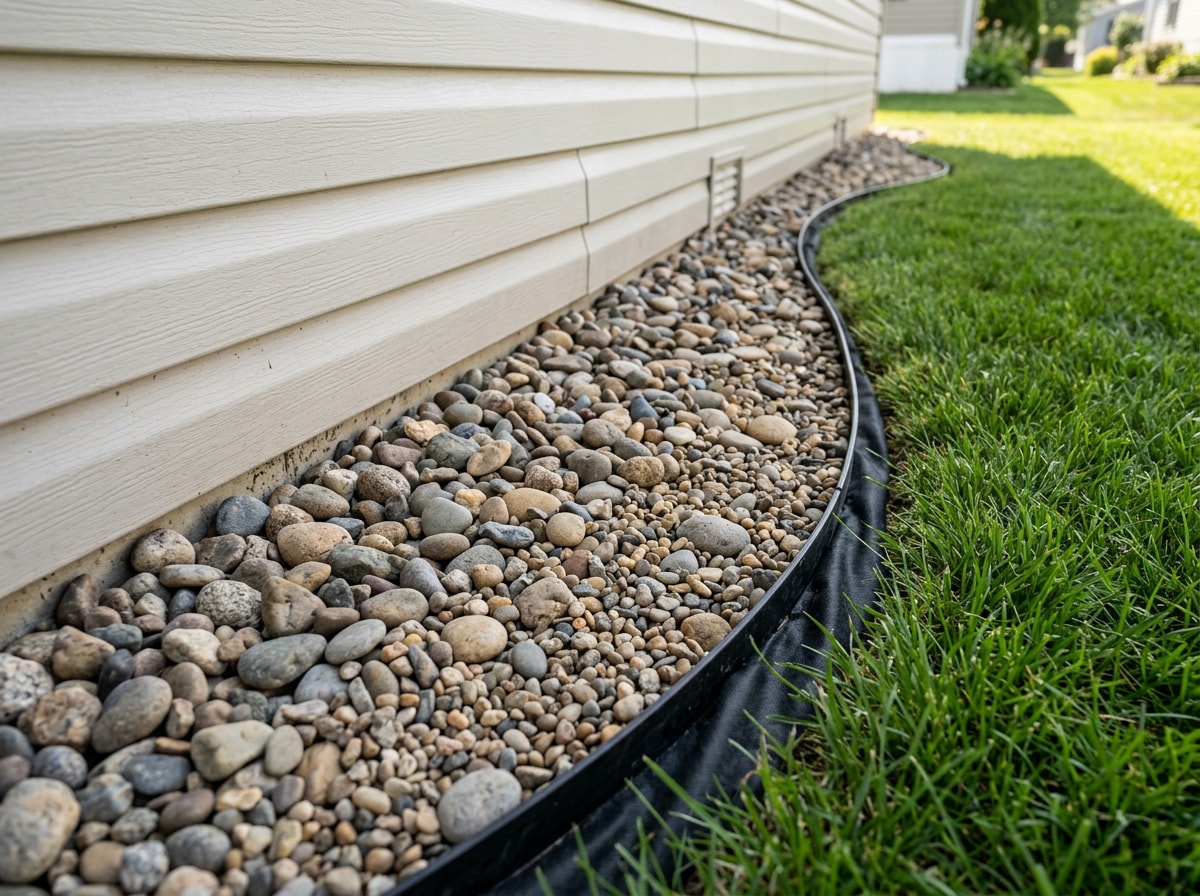
- Rock gardens and pebble edging — Clear turf, grade the area so water flows away from the skirting, lay landscape fabric, then spread rock two to three inches deep. Pea gravel is typically the more budget-friendly option versus river rock.
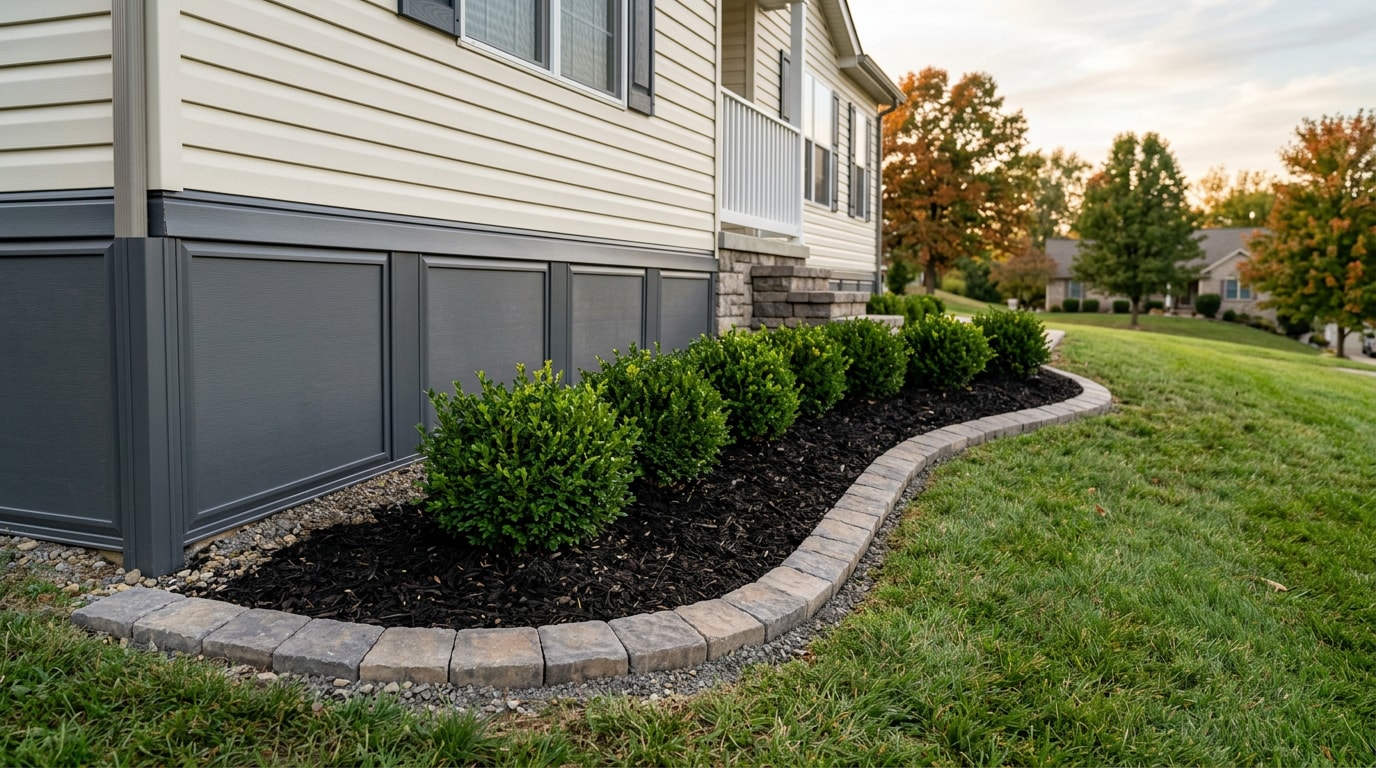
- Mulch beds and edging — Dark mulch against light vinyl, or lighter bark against darker faux stone, adds contrast. Steel or plastic edging keeps mulch from washing out during heavy rain.
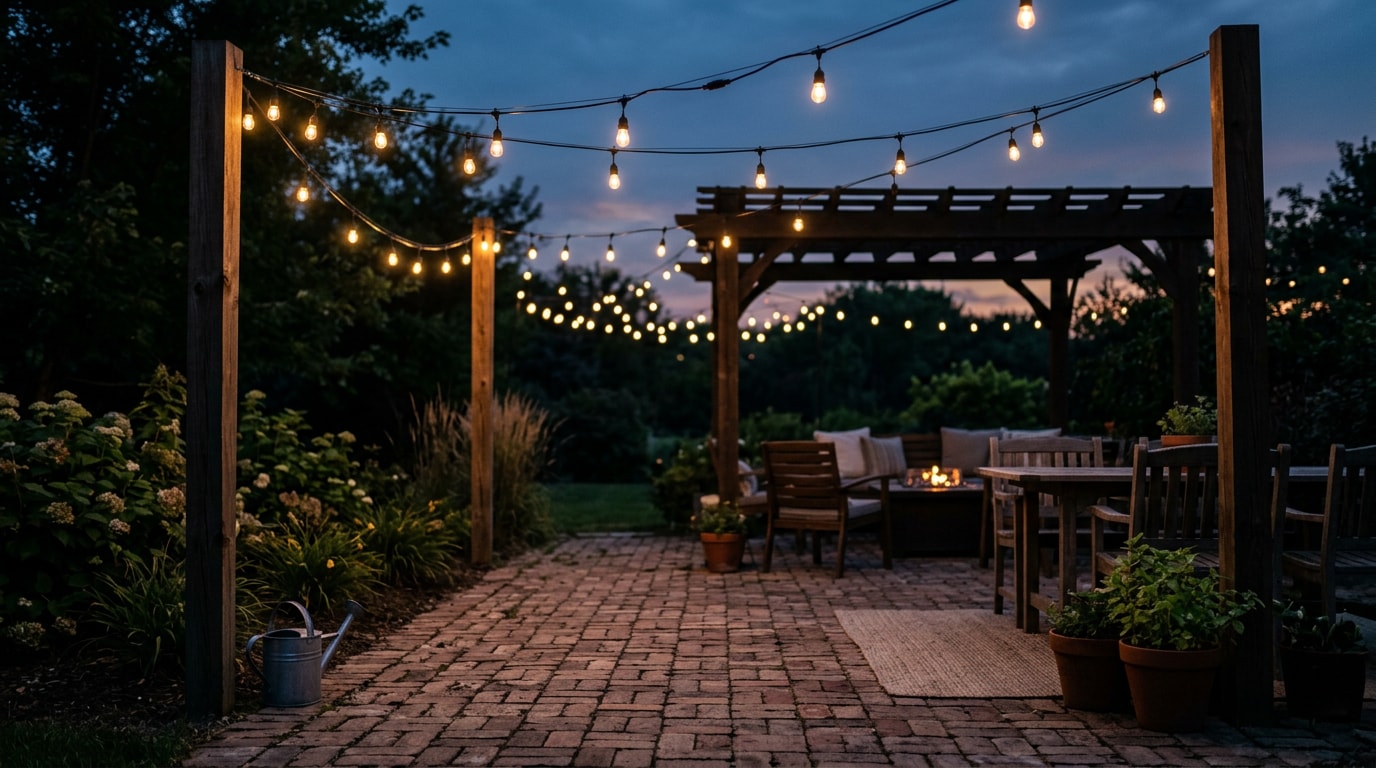
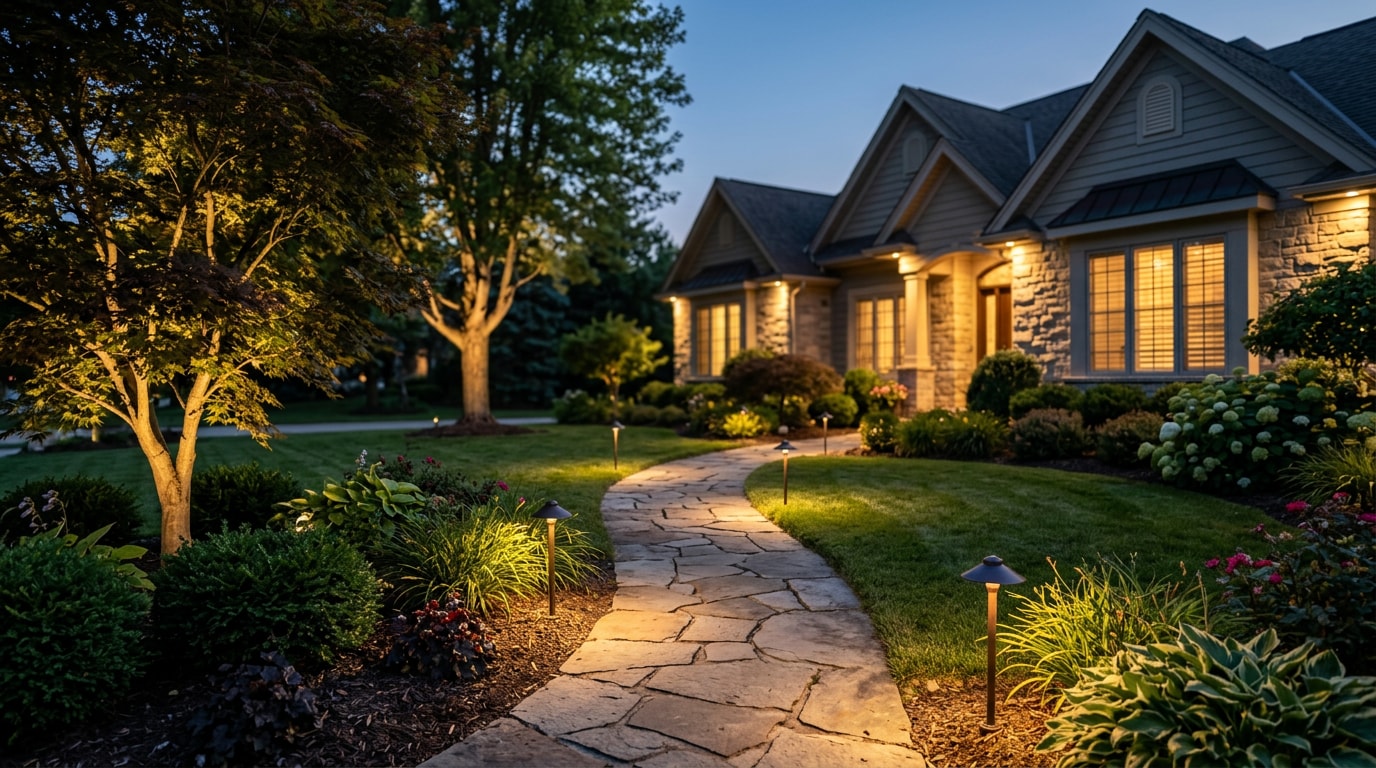
- Low-voltage path or garden lighting — A soft wash of light along the skirting line hides shadows at dusk and adds a finished look without wiring into the home. Our garden lighting design service can layer this in without disturbing existing beds.
Adding Hardscape Features
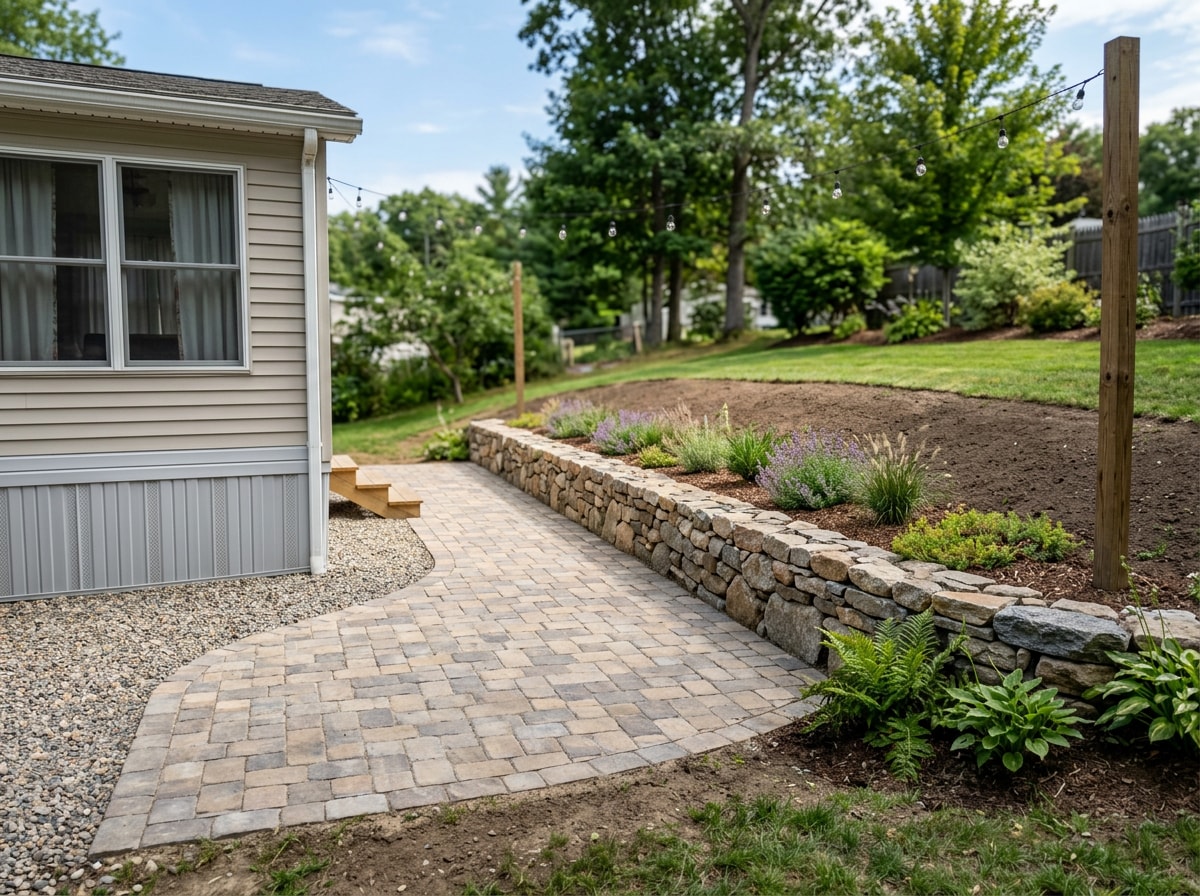
Retaining walls, walkways, patios, and small seating areas define outdoor space while doing real structural work on sloped lots. A low retaining wall near the skirting can stop erosion before it reaches the foundation, and a paver walkway keeps foot traffic off planting beds. Seating areas tucked near the skirting line make the yard feel finished without demanding much square footage. Our hardscape installation team can size a wall or walkway to your lot's actual slope, and you can browse finished examples on our projects page.
Budget-Friendly Ideas
Curb appeal doesn't require a full landscaping budget:
- Recycled brick or broken pavers make inexpensive edging.
- A hollowed tree stump can become a planter.
- Pallet wood turns into simple outdoor furniture with a coat of stain.
These small, low-cost projects add up to a noticeably more finished yard over a season or two.
Practical Tips for Skirting Clearances and Local Rules
Check village zoning or any community covenants before planting anything permanent, since many areas limit plant height or restrict structures like raised beds. If ground space is tight, container gardening adds color without triggering those rules. Whatever you plant, keep a two- to three-foot clearance around vents and access panels so skirting ventilation and future repairs aren't blocked.
Maintaining Your Landscape Investment
Routine monitoring for pests and disease keeps small problems from spreading along the skirting line, where moisture tends to collect. Drip irrigation delivers water directly to roots and keeps skirting panels drier than overhead sprinklers would. A quick seasonal walk-through to check mulch depth, trim overgrowth, and inspect edging keeps the whole bed looking intentional. Our outdoor space maintenance plans cover this kind of upkeep on a regular schedule, and our landscape maintenance service handles seasonal cleanup if you'd rather not do it yourself.
Final Thoughts
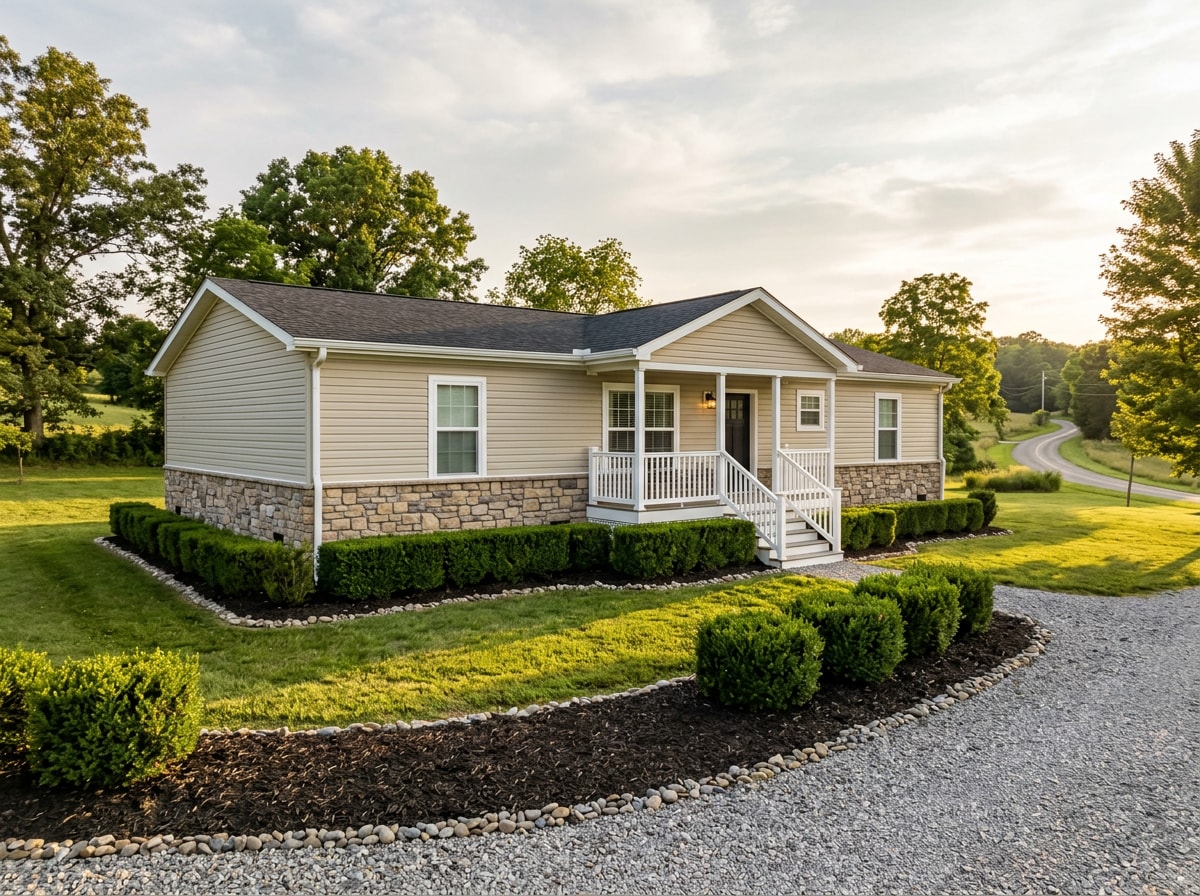
Plant selection, hardscape, and skirting style all work together, and getting them to match is what makes a manufactured home look permanent and cared for rather than temporary. Start with one zone, maybe just the front-facing skirting line, and expand once you see what holds up through a full Ohio season. Visit our homepage to see the full range of services we bring to properties across Indian Hill and the surrounding area.
Ready to start? Get a free estimate and we'll walk your lot with you before you buy a single plant.
FAQ
What plants work best around mobile home skirting?
Low-maintenance shrubs like boxwood, juniper, and dwarf spirea work well because they stay compact and don't demand heavy pruning. Leave a few inches of clearance around vents so airflow isn't blocked as the plants mature.
Should I landscape around mobile home skirting at all?
Yes. Bare skirting erodes faster, shows dirt and grass clippings more easily, and reads as unfinished. A simple border of shrubs, mulch, or gravel makes the home look settled and improves drainage at the same time.
What's the easiest ground cover under rocks?
Pea gravel or crushed granite spread two to three inches deep over landscape fabric blocks weeds and drains well, making it the simplest ground cover under a rock bed.
How tall should mobile home skirting be?
Skirting typically runs 12 to 18 inches tall, enough to deter pests and protect pipes while still allowing required airflow underneath the home. Ventilation sizing is set by federal and local code, so check with your installer or jurisdiction before finalizing height on any project.
Do I need approval to landscape a manufactured home lot in Indian Hill?
Check with the village before adding anything permanent, including raised beds, retaining walls, or fencing. Container gardens and small seasonal flower beds typically don't require review, but structures and grading changes often do.