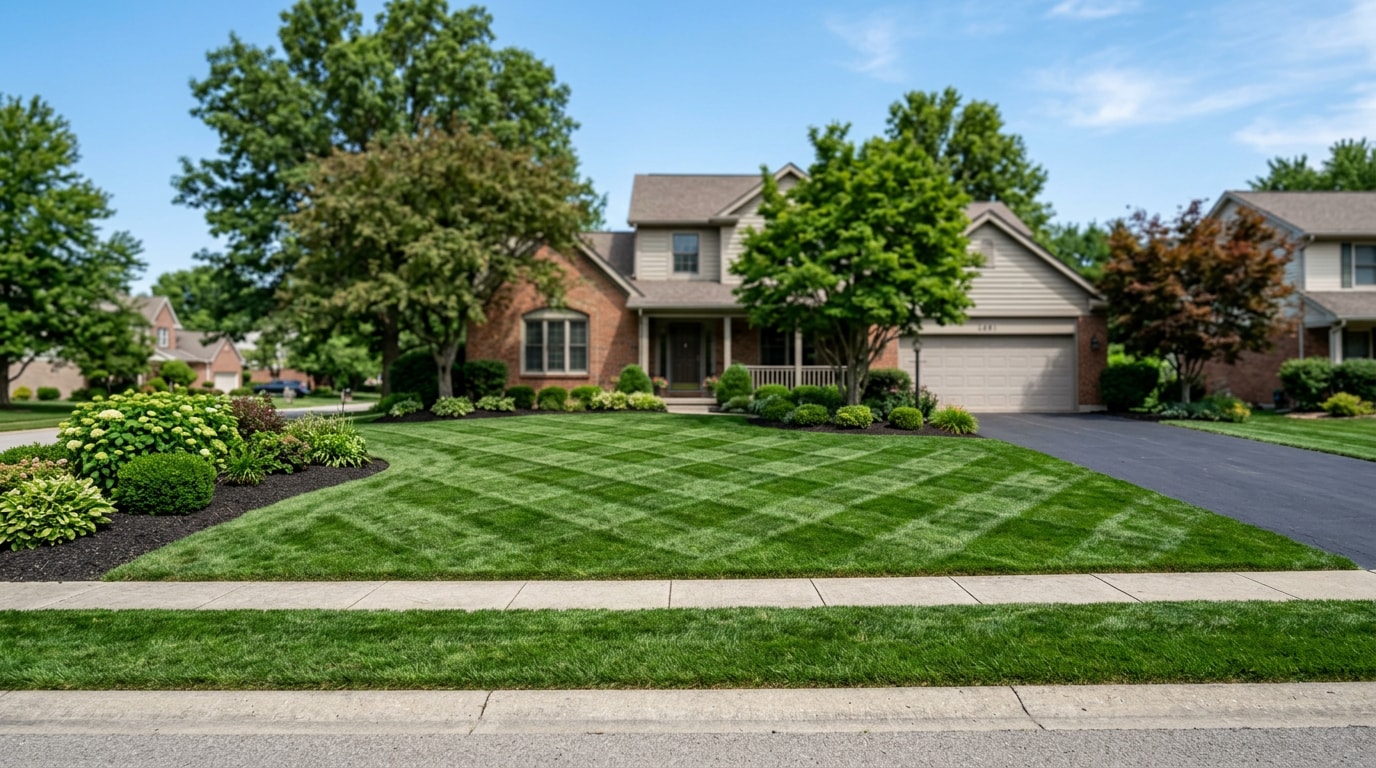
Lawn treatments in Cincinnati, OH have to work around heavy clay soil, humid summers, and crabgrass that germinates earlier here than in northern Ohio. Pick the wrong program or the wrong week to apply it, and you've wasted a treatment. This guide breaks down what's actually in a Cincinnati lawn treatment plan, what it costs in 2026, and when each service needs to happen to do any good.
What's Included in a Cincinnati Lawn Treatment Program
Most providers don't sell fertilization, weed control, aeration, and grub prevention separately. They bundle them into a seasonal program with five to eight visits running from early spring through late fall.
A typical mid-tier program includes:
- Pre-emergent crabgrass control applied in early spring
- Granular or liquid fertilizer, spaced six to eight weeks apart
- Spot or broadcast post-emergent weed control
- Preventative grub control timed for early-to-mid summer
- Fall core aeration and overseeding
Higher tiers usually add mosquito, flea and tick, or perimeter pest coverage, since the same warm, humid conditions that favor grubs also favor biting insects in the yard.
Core Lawn Treatment Services Explained
Fertilization
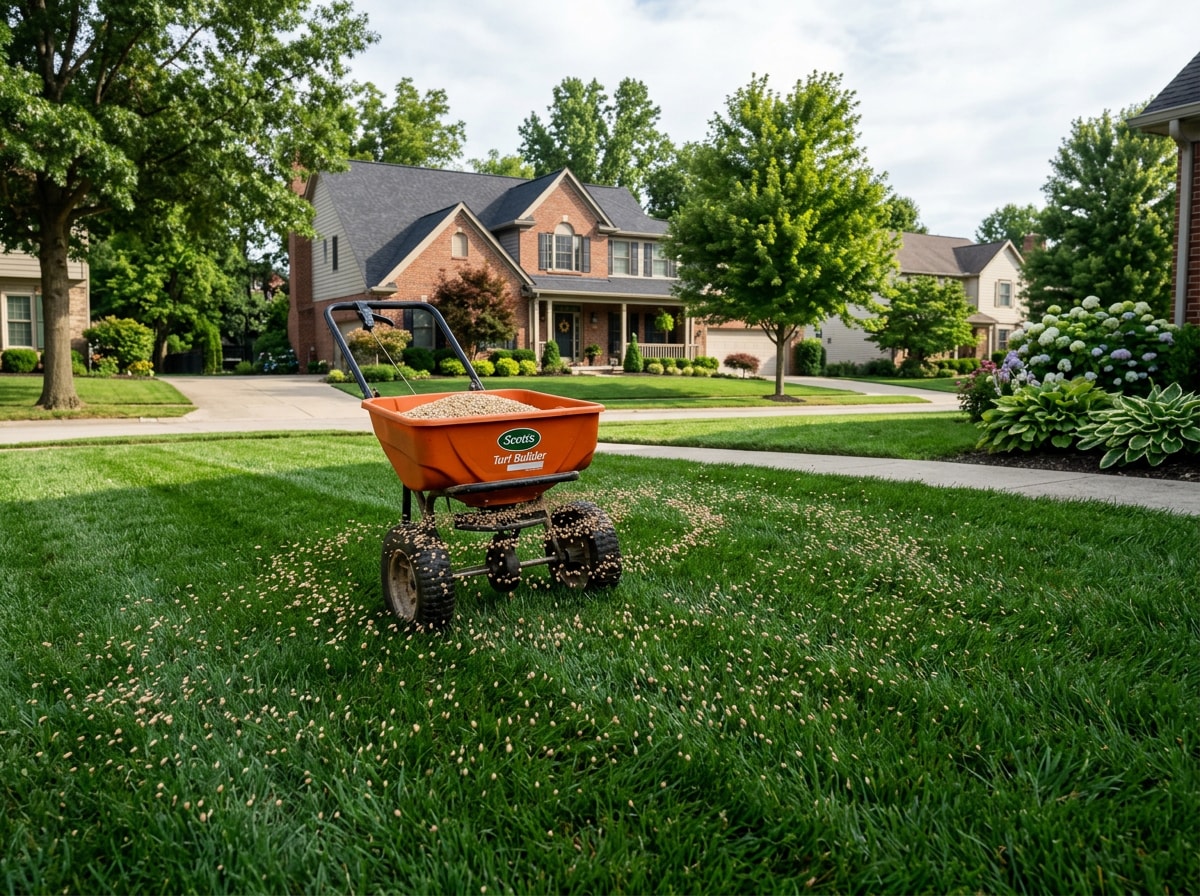
Fertilization programs feed turf in scheduled rounds rather than one bulk application. Spacing matters more than volume: a slow-release product applied six to eight weeks apart builds color and density without pushing a growth spurt the lawn can't sustain through a hot, humid Cincinnati summer.
Fall feedings carry the most weight in this region. Cool-season grasses like Kentucky bluegrass and tall fescue put energy into root development in September and October rather than top growth, which is why a late-season application matters more than an extra summer round.
Weed Control
Weed control splits into two jobs: pre-emergent herbicide that blocks seeds from germinating, and post-emergent herbicide that kills weeds already growing. Timing the pre-emergent application is the part most homeowners get wrong.
Smooth crabgrass is the main target, and it doesn't follow the calendar. Ohio State University Extension's turf program has tracked smooth crabgrass emergence beginning when soil temperatures in the upper inch of soil reach 54°F for seven days, a point that often lines up with dogwood flowering and fading forsythia blooms . Apply too early and the barrier can break down before crabgrass actually sprouts. Apply too late and you're trying to kill plants a pre-emergent was never built to touch.
Aeration & Overseeding
Cincinnati's clay-heavy soil compacts fast, which chokes off water and nutrient movement before it ever reaches the roots. Core aeration pulls plugs out of the lawn to relieve that compaction, and it works best paired with overseeding so new grass has open soil to root into.
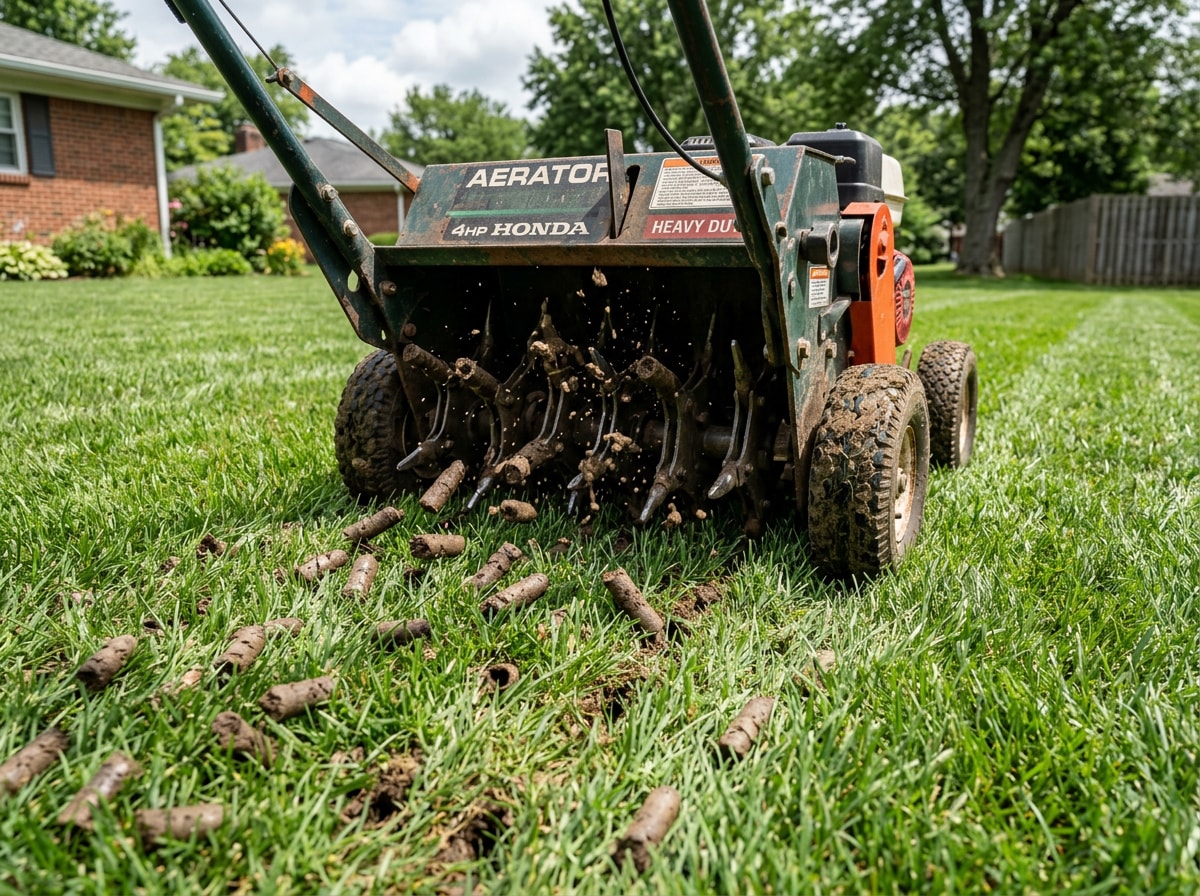
Fall is the stronger window for this region's cool-season lawns. Ohio State University Extension's organic lawn care guidance for Ohio points to renovating chronically thin lawns with reseeding in bare or thinned areas, noting that fall is the best time to do this for cool-season grasses . On the properties our crews maintain across Mason, Loveland, and Liberty Township, lawns aerated and overseeded before late September consistently come back thicker the following spring than lawns seeded in October, once the first hard frost cuts the establishment window short.
Homeowners who want a deeper walkthrough of timing and cost can see our full aeration and overseeding guide for the Cincinnati area.
Grub & Pest Control
Grub larvae feed on turf roots from underneath, which shows up as spongy, dying patches that pull up like loose carpet. Preventative applications timed for early-to-mid summer, before grubs reach damaging size, work far better than curative treatments applied after the damage is visible.
Bundling grub control with mosquito and perimeter pest treatments is common locally, since Cincinnati's humidity favors both problems at the same time of year.
Lawn Treatment Pricing in Cincinnati, OH
| Service | Typical Price Range (2026) | Frequency |
|---|---|---|
| Single lawn treatment visit | $55 – $90 | Per visit |
| Fertilization application | $50 – $150 | 5–7x per season |
| Weed control (pre- or post-emergent) | $45 – $90 | 2–4x per season |
| Core aeration | $75 – $150 | 1–2x per year |
| Aeration + overseeding | $200 – $450 | Once, in fall |
| Grub control | $60 – $120 | Once, early-mid summer |
| Dethatching | $150 – $300 | As needed |
| Full seasonal program (5–7 visits) | $350 – $700 | Annual |
Exact pricing depends on lawn size, soil condition, and how many services are bundled together. The National Association of Landscape Professionals tracks pricing and labor trends across the industry each year, and its 2025 Financial Benchmark Study found participating companies reported a median of 355 customers per firm and 8.5 percent typical sales growth , which gives some sense of how steadily demand for these services has grown nationally. Bundling treatments into one seasonal plan generally brings the per-visit cost down compared with booking each service separately.
DIY vs. Professional Lawn Treatment
DIY fertilizing and weed control can save money on the sticker price, but spreaders, herbicide, grub control products, and the time needed to apply everything on the correct week add up fast, especially if a mistimed application means redoing it. A professional program bundles equipment, product, and timing expertise into one predictable annual cost, which matters most for homeowners who don't want to track soil temperature or application windows themselves.
How Lawn Treatments Fit Into Overall Yard Care
Lawn treatments work best when they're coordinated with the rest of your property's maintenance schedule, not run on a completely separate calendar. Mowing height, bed maintenance, and irrigation timing all affect how well a fertilization or weed control program performs.
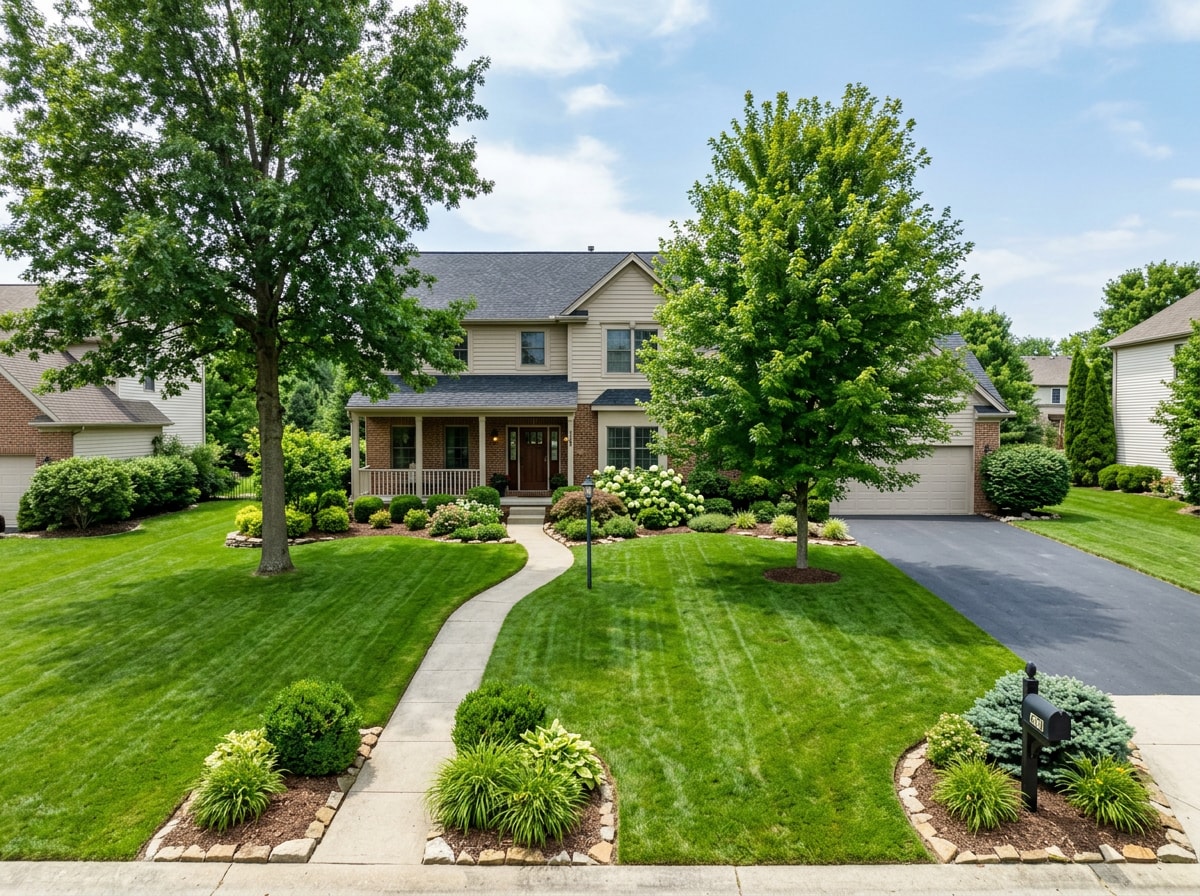
If you're already working with a landscaper for landscape maintenance or broader outdoor space maintenance, it's worth asking how your mowing and bed schedule lines up with your lawn treatment provider's visits. NiteScapes Cincy coordinates maintenance visits around treatment windows for properties across Cincinnati, Mason, and Loveland, so mowing doesn't undo what a treatment just accomplished. Our full range of landscaper services covers that coordination directly.
Ready to line up your property's maintenance schedule with the right lawn treatment timing? Get a free estimate and we'll walk through what your yard needs this season.
FAQ
How much does a lawn treatment program cost in Cincinnati?
Most Cincinnati homeowners pay between $350 and $700 for a full seasonal program covering five to seven visits. Single services like aeration or grub control run separately if you don't want a bundled plan.
How many lawn treatments do I need per year?
Most cool-season lawns in this region need five to seven visits: a spring pre-emergent and fertilizer round, one or two summer applications, a fall feeding, and fall aeration with overseeding.
When is the best time to fertilize a lawn in Ohio?
Fall carries the most weight for cool-season grasses, since that's when roots develop ahead of winter dormancy. Spring feeding supports early green-up, but skipping the fall application does more damage than skipping summer.
When should I aerate my lawn in Cincinnati?
Fall is the stronger window for most Cincinnati lawns. Cool-season grass recovers and establishes new roots before winter, and pairing aeration with overseeding gives new seed direct soil contact.
Can weed control really eliminate all weeds?
No treatment removes every weed permanently. Ongoing pre- and post-emergent applications significantly reduce weed pressure over time, but it works as a continuing program, not a one-time fix.
Is DIY lawn treatment worth it compared to hiring a pro?
DIY saves money upfront but requires tracking soil temperature, buying separate products, and redoing mistimed applications. A professional program trades that time and guesswork for a predictable annual cost.
What's the difference between pre-emergent and post-emergent weed control?
Pre-emergent herbicide stops weed seeds from germinating and has to go down before crabgrass sprouts. Post-emergent herbicide kills weeds that are already growing and works on a different schedule entirely.
Looking for the full picture before you commit to a program? Start on our homepage to see how NiteScapes Cincy's landscaping and maintenance services work together, or contact us for a free estimate tailored to your yard.