

Turf maintenance in Mariemont, OH has to solve a problem most generic lawn plans ignore: mature tree canopy and compacted clay soil sitting under some of the oldest lots in Hamilton County. A mowing-only service can keep grass short, but it won't fix thinning turf under an oak canopy or standing water after a spring rain. This guide walks through what an actual program looks like here, what it should cost you in time and money to do right, and the questions worth asking before you hire anyone.
What's Included in a Mariemont Turf Maintenance Program
A full program covers more ground than a weekly mow. In Mariemont's historic district, where lots are smaller and shade is heavier, each piece below has to be sequenced correctly or the others underperform.
- Fertilization and pre-emergent weed control, timed to grass growth cycles rather than the calendar
- Core aeration and overseeding, usually paired together in the fall
- Grub and insect control, applied only after the pest is identified
- Turf restoration or sod installation, for lawns too far gone for routine care
- Tree and shrub feeding, since canopy trees compete directly with turf for water and nutrients
You can see how these pieces fit into a broader outdoor maintenance plan on our landscaper services page, or jump straight to a free estimate if you already know what your lawn needs.
Fertilization and Weed Control for Cincinnati's Clay Soil
A single spring fertilizer application doesn't hold up in Southwest Ohio. Heavy clay drains slowly and locks up nutrients differently than the sandier soils found farther south, so both timing and formulation matter more here than in a lot of lawn-care content written for a national audience.
A properly sequenced program layers pre-emergent weed control in early spring with follow-up feedings through fall. That keeps turf dense enough to out-compete crabgrass and broadleaf weeds instead of relying on herbicide alone to do the work.
Core Aeration and Overseeding: Ohio's Fall Window
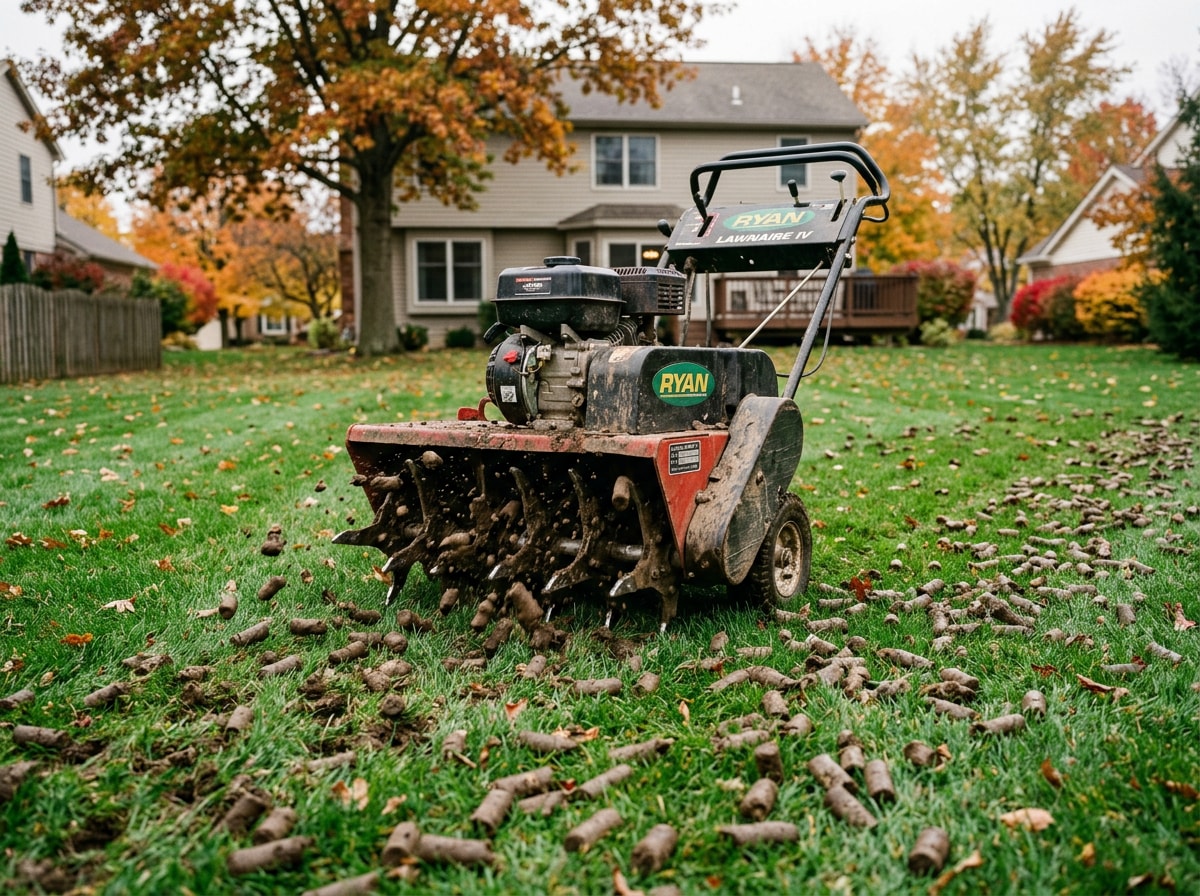
Core aeration pulls small plugs of soil out of the lawn, which relieves compaction and lets air, water, and nutrients reach roots that heavy clay has been choking off for years. Ohio State University Extension's turfgrass team is direct about why this matters locally: in Ohio's heavy clay soils, core aeration every fall or every other fall in mid-to-late September helps reduce compaction while allowing oxygen, moisture, and nutrients into the root zone .
Overseeding right after aeration is what makes the whole exercise worth it. Seed drops directly into the open holes instead of sitting on top of thatch, which is the difference between patchy germination and a lawn that actually fills in. For timing, large patches that need seeding or overseeding should go down by mid-September for the best establishment before winter , with consistent watering afterward.
If your Mariemont lawn missed this year's window, don't wait until next fall to find out why it's thin. Get a free estimate and we'll tell you whether aeration, overseeding, or something more is the right call.
Grub and Insect Control: Treat the Right Pest at the Right Threshold
Ohio lawns deal with a short list of recurring pests: white grubs feeding on roots below the surface, and chinch bugs damaging blades in hot, dry patches. Treating the wrong one wastes money and does nothing for the lawn.
Identification matters more than most homeowners expect. University extension guidance notes a threshold of 10 grubs per square foot is a common action point before treatment is even warranted, since a healthy lawn below that level will usually outgrow the damage on its own. Spraying on a fixed calendar regardless of actual pest pressure is how homeowners end up paying for treatments their lawn never needed.
This is the same logic behind Integrated Pest Management, which the EPA recommends as the most effective general strategy: combining monitoring and prevention with targeted treatment, rather than routine spraying, is known as Integrated Pest Management . A program that identifies the pest first, then treats only when thresholds justify it, is doing right by both your lawn and your wallet.
Overseeding vs. Lawn Renovation vs. Sod: Matching the Fix to the Damage
Not every damaged lawn needs the same repair. Here's how the three main options compare:
| Option | Best For | Process | Typical Timeline |
|---|---|---|---|
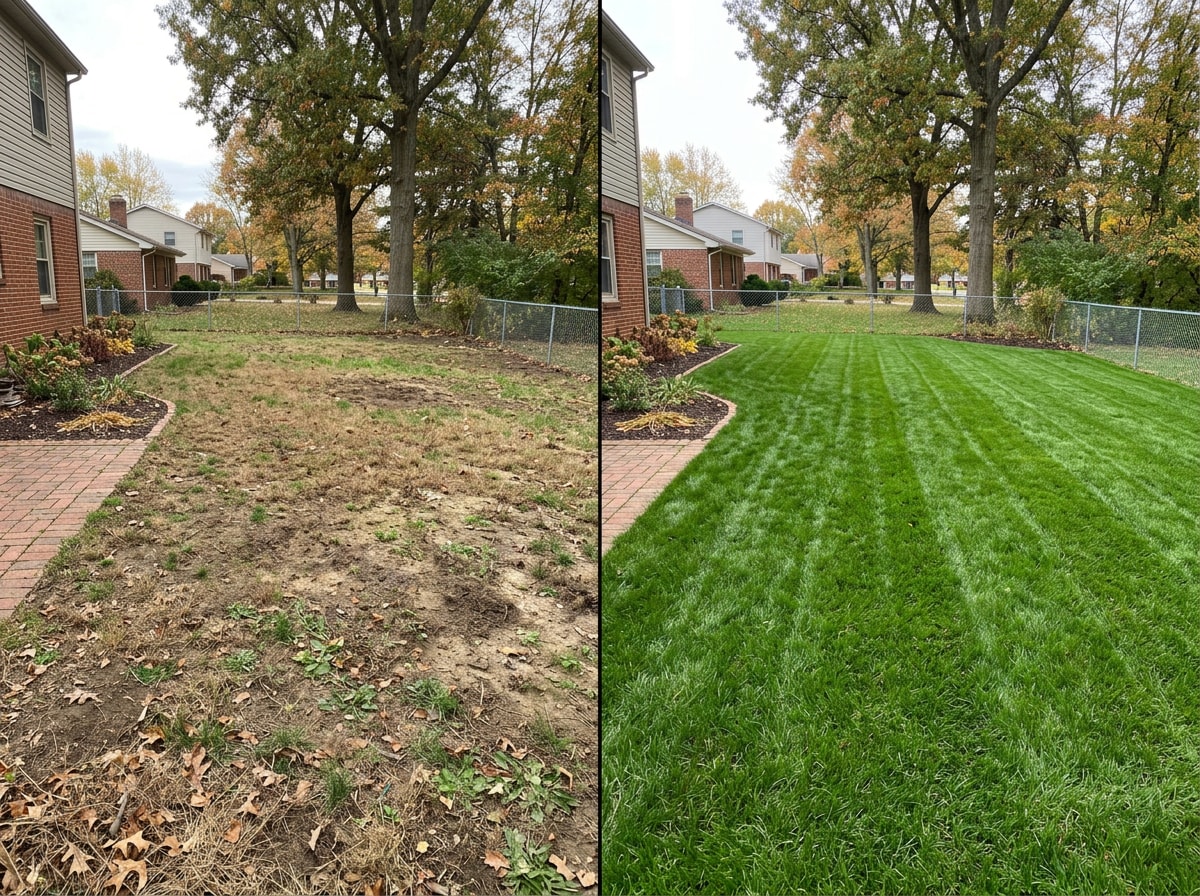
| Overseeding | 50%+ of lawn still healthy | Seed into existing turf, often after aeration | 4-6 weeks to fill in |
| Lawn renovation | 30-50% of lawn damaged | Dethatching or tilling before reseeding | 6-10 weeks to establish |
| Sod installation | More than half bare, compacted, or weed-choked | Full turf replacement | 2-3 weeks to look established; root knitting continues several more weeks |
If you're unsure which category your lawn falls into, our landscape maintenance team can walk the property with you and tell you honestly which option actually fits, instead of upselling a full renovation you don't need.
Tree and Shrub Care That Protects Your Turf Investment
Turf health doesn't exist in isolation from the trees sharing the yard. Mariemont's mature canopy is part of what makes the village distinctive, but those same trees compete with grass for water and nutrients, and their shade determines which grass varieties will actually survive underneath.
Coordinating tree and shrub feeding with your turf program keeps the two from working against each other. Our outdoor space maintenance service folds this coordination in rather than treating turf and trees as separate line items.
Why Hire a Licensed, Local Crew for Mariemont Turf Care
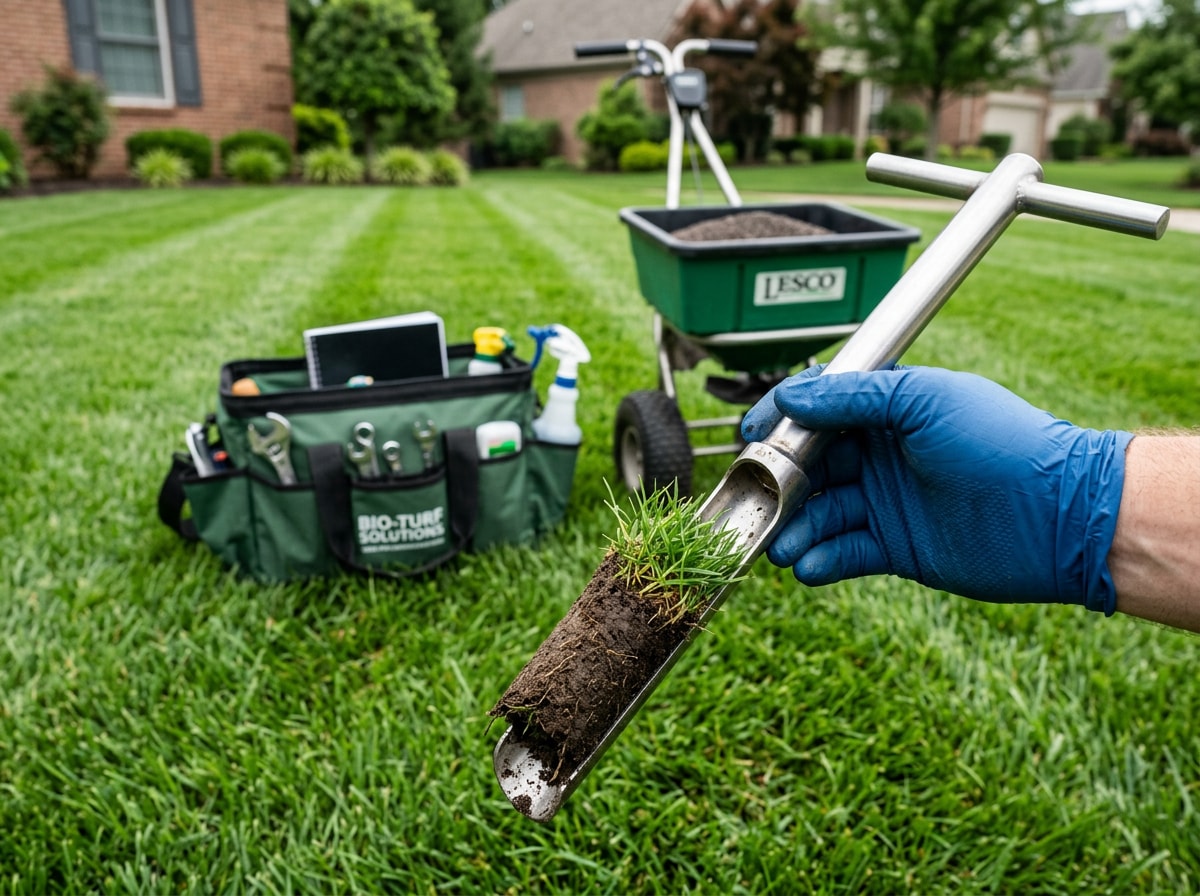
Here's something most local lawn-care pages skip entirely: in Ohio, any company applying pesticides or herbicides for hire is legally required to hold a state license. Ohio State University Extension lists lawncare applicators and landscapers and arborists specifically among the professionals who need a Commercial Pesticide Applicator license before they can legally treat a customer's property. Before you hire anyone for weed or pest control in Mariemont, it's worth asking whether they hold that license, not just whether they have a truck and a logo.
Beyond licensing, local experience shows up in smaller decisions: adjusting fertilizer rates for clay-heavy beds near the Village Square, choosing shade-tolerant seed blends for lots under mature canopy, and knowing which streets flood after heavy rain and need different drainage handling before any seed goes down. Those are the details that separate a program built for Mariemont from one copied from a subdivision across the county.
For a deeper look at how turf fits into a full landscape plan here, see our guide to landscaping and planting in Mariemont, OH.
Service Areas Near Mariemont, OH
Beyond the village itself, coverage extends through the surrounding Cincinnati-area communities, including Cincinnati, Hyde Park, and Madeira. If your property sits near Mariemont but outside the village line, there's a good chance it still falls within regular coverage.
Check the Mariemont, OH service area page to confirm coverage for your specific address, or visit the homepage to see the full range of outdoor services available to properties throughout the area.
FAQ
What's included in turf maintenance in Mariemont, OH?
A full program typically bundles mowing, fertilization, pre-emergent and post-emergent weed control, core aeration, overseeding, and pest control into one coordinated plan. Bundling matters because the steps depend on each other. Aeration has to happen before overseeding, and pre-emergent weed control has to go down before spring green-up, not after.
When should I aerate and overseed my lawn in Ohio?
Fall, generally mid-August through mid-September, is the preferred window for cool-season lawns in the Cincinnati area. Soil is still warm enough for germination while cooler air reduces the heat stress that can kill spring or summer seedlings.
How often should a Mariemont lawn be fertilized?
Most cool-season lawns in this region need three to four applications a year, with the heaviest emphasis on late summer and fall feedings rather than spring alone. A single flat spring application is rarely enough on Cincinnati's clay soils.
Do lawn care companies need a license to apply pesticides in Ohio?
Yes. Any business applying pesticides or herbicides for hire in Ohio must hold a Commercial Pesticide Applicator license from the Ohio Department of Agriculture. Ask to see it before signing a weed or pest control contract.
How much does professional turf maintenance cost in Mariemont, OH?
Cost depends on lot size, how many visits the program includes, and whether the lawn needs routine care or a full restoration. The most accurate way to get a number is a property walk-through rather than a flat online rate, which is why we offer a free estimate based on your actual yard.
How do I know if my lawn needs overseeding or full sod replacement?
If more than half the existing lawn is healthy, overseeding usually fills in thin spots without disturbing the rest of the yard. If more than half is bare, compacted, or overrun with weeds, sod installation delivers a usable lawn faster than reseeding from scratch.