Home security systems are a waste of money for some Hyde Park homeowners, and a genuinely smart investment for others, depending entirely on how the system is installed and monitored. The difference almost never comes down to the technology itself. It comes down to three mistakes we see on local properties again and again, and we'll name them below.
Visit NiteScapesCincy to see our services and request a free estimate.
The Short Answer for Hyde Park Homeowners
For most homeowners, a monitored security system is worth the money. It becomes a waste only under specific, predictable conditions: no professional monitoring, a sketchy contract, or sensors installed where they can't actually catch anything.
Hyde Park is a quiet, tree-lined pocket of Cincinnati, and plenty of residents assume their street is too safe to justify an alarm. That assumption is exactly why this question gets searched so often here. Low crime doesn't mean zero risk, and burglary isn't even the main thing a modern system catches, fire and carbon monoxide events don't care what ZIP code you're in.
We install outdoor lighting on these same streets year-round, which puts us in a position most security companies aren't in: we see the exterior of a home before and after a "security upgrade," and we can tell you which investments actually change what a passerby or a camera can see at night. More on that below.
When a Home Security System Is Genuinely a Waste of Money
A system becomes dead weight in a handful of predictable situations. Run through this checklist before you sign anything:
- Unmonitored equipment. A siren that nobody calls in on is a loud smoke detector, not a security plan.
- Wi-Fi-only setups with no cellular backup. They fail during the exact power outage or internet drop when a break-in is most likely.
- Poorly placed sensors. A motion detector aimed at a window instead of a walkway catches nothing useful.
- Contracts longer than 36 months with early-termination penalties buried in the fine print.
- No local service technician, only a call center and a mailed replacement part.
Before signing with any provider, ask the questions the FTC recommends every homeowner ask upfront. That includes what happens if the power goes out and whether there's a back-up battery system , plus who will actually install and monitor the system, since some companies subcontract that work to third parties . If a sales rep can't answer either question clearly, treat that as a red flag. The FTC's consumer guide to shopping for a home security system is worth five minutes before any contract gets signed.
The Real Benefits (When It's Installed Right)
When a system is monitored, properly placed, and backed by cellular service, the value case holds up:
- Faster emergency dispatch. A tripped sensor can get police, fire, or EMS moving in seconds, before you've even seen the phone alert.
- Insurance savings.
Most insurers provide discounts for security devices such as smoke detectors, burglar and fire alarm systems, or dead-bolt locks , according to the Insurance Information Institute. Exact savings vary by carrier, so confirm the number with your agent before assuming it covers the monthly fee.
- Deterrence. Visible cameras and signage push opportunistic burglars toward easier targets.
- Fire, CO, and water-leak monitoring. This part has nothing to do with crime rates and applies just as much on a quiet Hyde Park cul-de-sac as anywhere else.
- Remote access. Checking locks and camera feeds from anywhere, not just when you're home.
The Downside Nobody Mentions: Detection Isn't Prevention
A security system detects and alerts. It does not physically stop anyone from getting inside. Sensors can't reinforce a door frame, and a camera can't block a window. That gap is where most "waste of money" complaints actually start, the homeowner expected a physical barrier and got an alert system instead.
This is also where outdoor lighting gets oversold, and we'd rather tell you the truth than sell you a floodlight package you don't need. One of the few large-scale U.S. studies on street lighting and crime, a Kansas City relighting project funded through the Department of Justice, found that crimes of violence, robbery and assault, were significantly deterred, while crimes against property were largely unaffected by the lighting upgrade. In plain terms: better lighting helps with visibility and makes a property feel less vulnerable, but it's not a magic bullet against burglary on its own.
Where lighting earns its keep is as one layer in a stack, not a replacement for monitoring. A well-placed outdoor LED lighting installation removes the dark blind spots around side doors and basement windows that sensors sometimes miss, and it gives your cameras something to actually see at 2 a.m. instead of a black rectangle. Pairing a monitored alarm with solid door hardware, reinforced strike plates, and a proper lighting contractor layout closes the gap that a system alone leaves wide open.
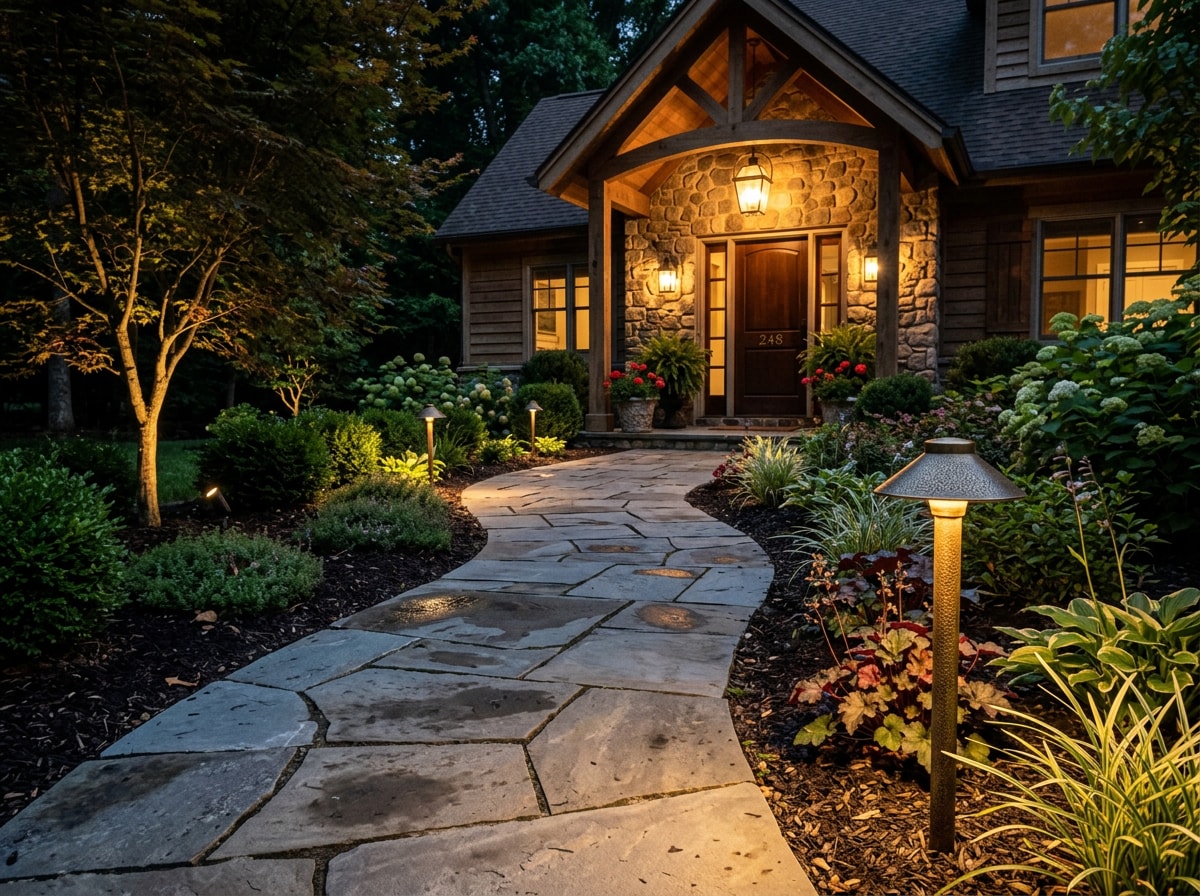
If you're not sure where your home's dark spots actually are, an outdoor lighting consultation is a faster way to find out than guessing with a flashlight after dark.
What a Home Security System Costs in 2026
Expect a wide range depending on equipment, provider, and whether you go DIY or professionally monitored.
| Cost Factor | DIY System | Professionally Monitored |
|---|---|---|
| Equipment | $150 to $400 | $300 to $600 |
| Installation fee | $0 (self-install) | $0 to $150 |
| Monthly monitoring | $0 to $20 (optional) | $25 to $65 |
| 5-year estimated total | $150 to $1,600 | $1,800 to $4,500 |
Pricing fluctuates by package and provider, so treat these as planning ranges, not a quote. A monthly fee above $60 for basic monitoring with no added features, or a contract that keeps billing you for years after you've moved, is where the math stops working in your favor.
DIY vs. Professional Monitoring: Which Actually Wins?
A DIY system beats having nothing at all. A professionally installed and monitored setup generally beats DIY for actual protection, but the right call depends on your home's layout and how much setup work you want to do yourself.
DIY makes sense if:
- You rent or live in an apartment with a simple layout
- You want no long-term contract
- You're comfortable troubleshooting a mobile app yourself
Professional installation earns its cost if:
- You have multiple entry points or a larger, older home
- You don't want to spend a weekend configuring sensors
- You want hardwired cameras, smart locks, and smoke/CO detection calibrated correctly the first time
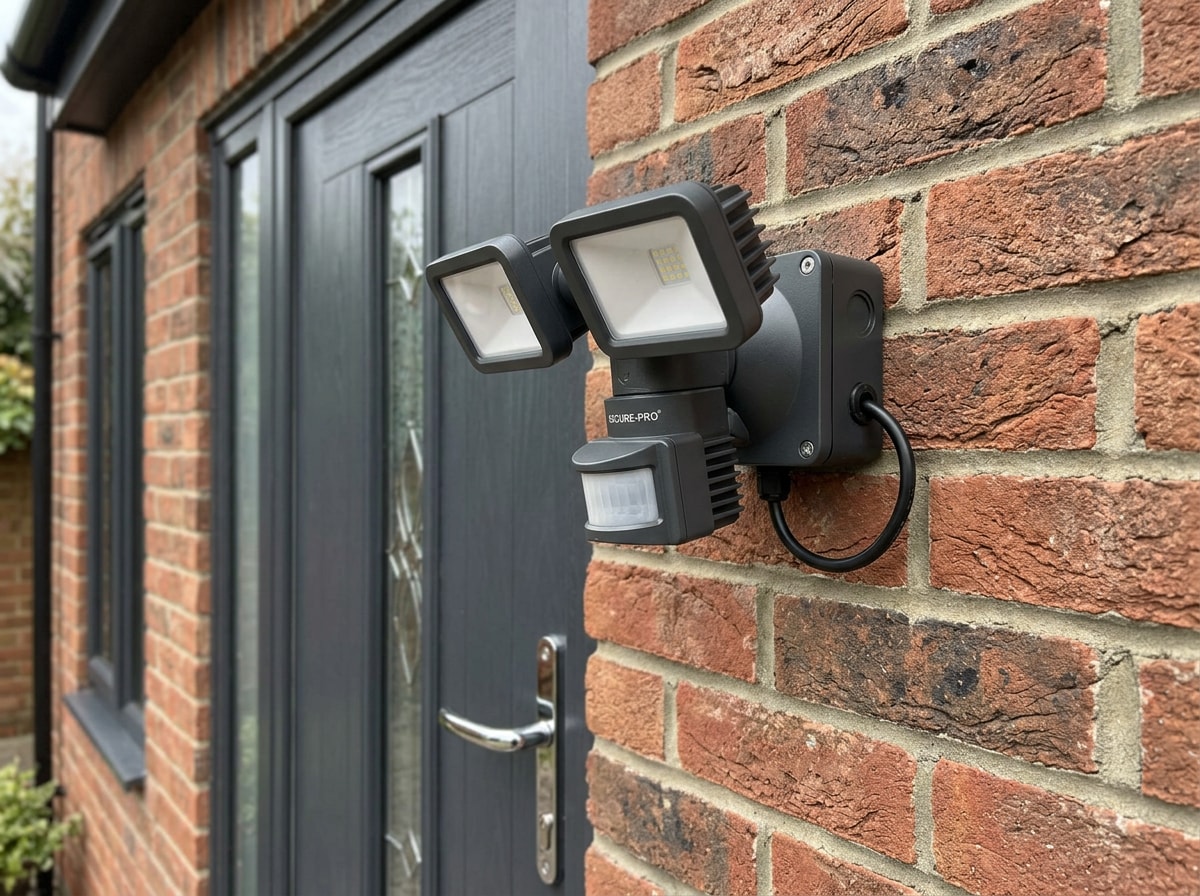
A lot of Hyde Park's older homes have additions, renovated porches, and awkward sightlines that a DIY kit wasn't designed for. A technician who's walked the property can catch a blind spot a homeowner might miss entirely.
Pros and Cons at a Glance
| Pros | Cons |
|---|---|
| Faster emergency dispatch (monitored plans) | Upfront equipment cost of $150 to $600 |
| Insurance discount potential | Monthly fee of $25 to $65 |
| Visible deterrence against opportunistic break-ins | Contracts up to 36+ months with some providers |
| Remote monitoring and smart home integration | Does not physically prevent forced entry |
Who It's Worth It For (And Who Can Skip It)
A system earns its keep for homeowners who travel often, own valuables worth protecting, or want fire, CO, and water-leak monitoring while away. It's less essential for someone who's rarely gone and has little worth stealing.
Is It Worth It in a Low-Crime Area Like Hyde Park?
Yes, and crime rate is only part of the reason. Nationally, reported residential burglaries have been falling, from an estimated 565,842 in 2020 to about 405,776 in 2024 , per FBI data. That trend holds across most suburban markets, Hyde Park included. But a monitored system still catches the house fire, the frozen pipe, or the CO leak that has nothing to do with burglary statistics at all. If you want to see what coverage looks like for your specific block, our Hyde Park, OH service area page is a good starting point, and you can browse recent completed projects nearby for reference.
Curious how lighting fits into a layered setup on an actual Hyde Park property? Our guide on landscaping lights wired in Hyde Park, OH walks through the installation process and safety considerations in detail.
Not sure where to start? Get a free estimate and we'll walk your property with you, point out the dark spots, and tell you honestly whether lighting, a monitored alarm, or both make sense for your home.
FAQ
Are home security systems a waste of money?
Not inherently. They become a waste of money when they're unmonitored, poorly installed, or locked into an overpriced, hidden-fee contract. Fix those three things and the math usually works in your favor.
Do alarm systems actually deter burglars?
Visible alarm signage and cameras push opportunistic burglars toward easier, less-protected targets. They're far less effective against a determined, repeat offender who's already cased the property.
What's the average price for home security in 2026?
Expect roughly $150 to $600 in upfront equipment cost and $20 to $65 per month for monitoring, depending on the provider and whether it's DIY or professionally installed.
What are the disadvantages of security cameras?
Cameras raise privacy concerns for neighbors and visitors, generate false alerts from pets or passing cars, depend on a stable internet connection, and often carry ongoing cloud storage fees.
Is a home security system worth it without monitoring?
A self-monitored system still gives you door, window, and motion alerts plus a siren. It just means you, not a dispatch center, are responsible for deciding what's a real emergency and calling 911.
Does outdoor lighting replace the need for a security system?
No. Lighting improves visibility and helps cameras capture usable footage, but it's not a substitute for monitored detection. Treat lighting as one layer in a stack, not the whole plan.
What's the number one home security system?
There isn't a single best option. The right choice depends on whether you need a DIY setup, full professional monitoring, or a budget-focused system matched to your specific home.