A landscape lighting designer in Hyde Park, OH turns a yard that goes dark at dusk into a space you actually use after sunset. The difference between a professional plan and a box of stake lights from the hardware store comes down to layering, code-aware wiring, and fixtures built for decades, not a single season. Here's what that plan should include, what it costs, and how to tell a qualified designer from someone just selling fixtures.
What a Landscape Lighting Designer Does for Hyde Park Homes
Hyde Park's established lots come with mature hardwood canopy, older brick and stone facades, and lot lines that were platted long before anyone thought about low-voltage wiring. That combination is exactly why a generic floodlight setup usually falls flat here.
A trained designer walks the property first, then plans zoning, beam angles, and layers of light so the result looks intentional instead of scattered. Home security lighting works best when it's placed with intention, covering blind corners and entry points rather than blasting the whole front lawn.
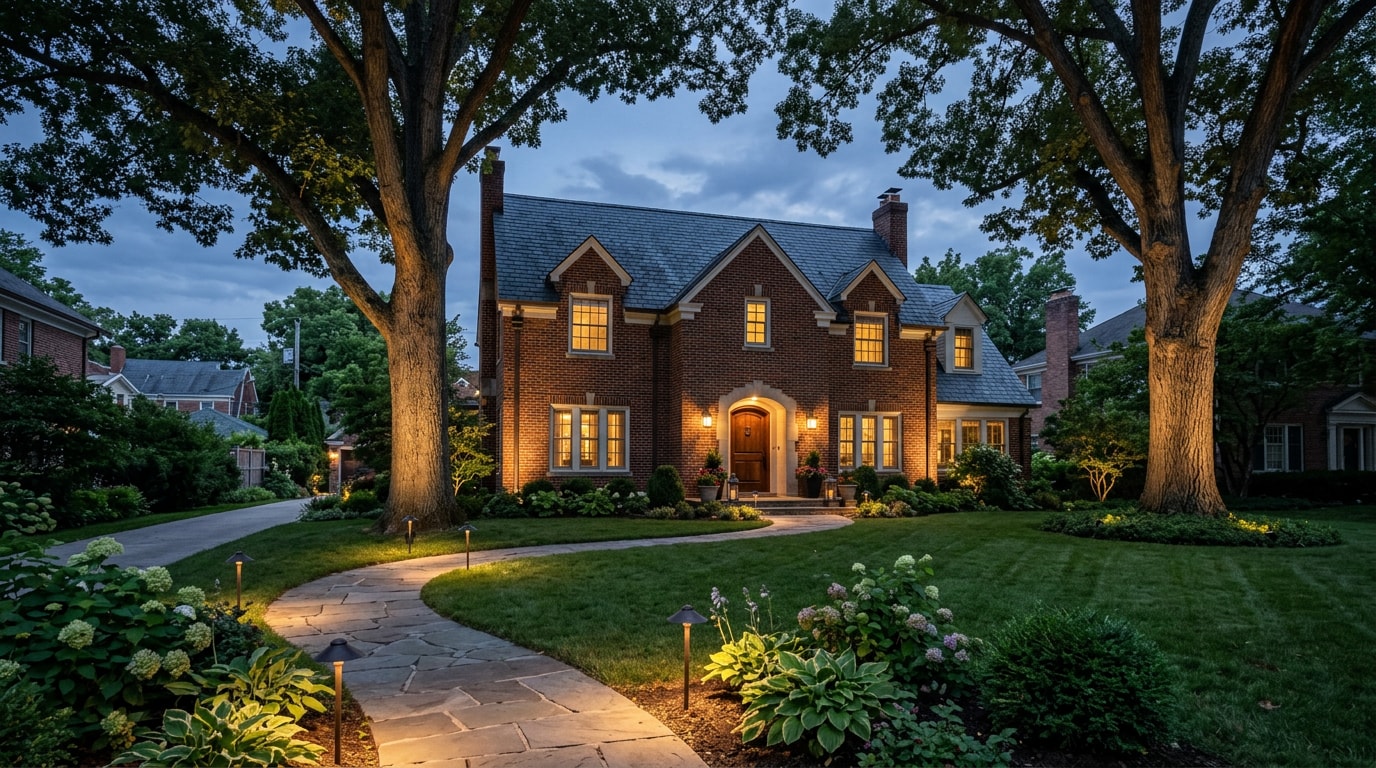
At NiteScapes Cincy, that planning also has to account for the century-old oaks and tuck-pointed brick common on these blocks. After laying out lighting plans on enough Tudor Revivals and Colonials in this part of Cincinnati, I've found the tree canopy changes a design more than almost any other site factor. It is shady enough in July to shift how fixtures should be aimed, and bare enough in January that the same fixtures need to hold their own without leaf cover.
Modern low-voltage LED fixtures also run far more efficiently than older incandescent or halogen options. LED lighting products use up to 90% less energy than incandescent bulbs and last many times longer, according to ENERGY STAR's LED lighting guidance. For a broader look at full-property design work, see our landscape lighting designer services.
Landscape Lighting Services & Applications
A design-build lighting service typically covers a range of applications, from strictly functional safety lighting to decorative work that shows off a home's architecture after dark. Most Hyde Park properties need a mix of both.
Common applications include:
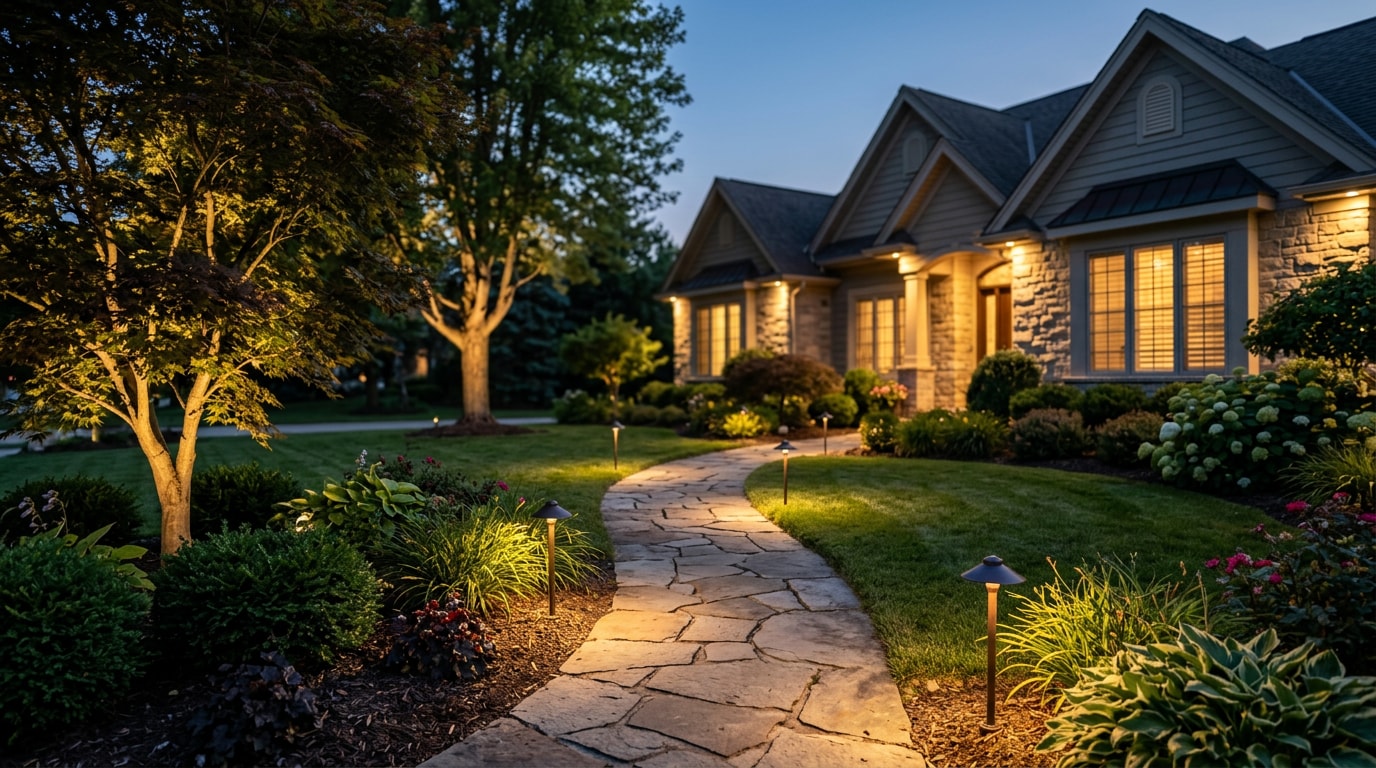
- Pathway and walkway lighting — guides foot traffic along walks and driveways, reducing trip hazards after dark.
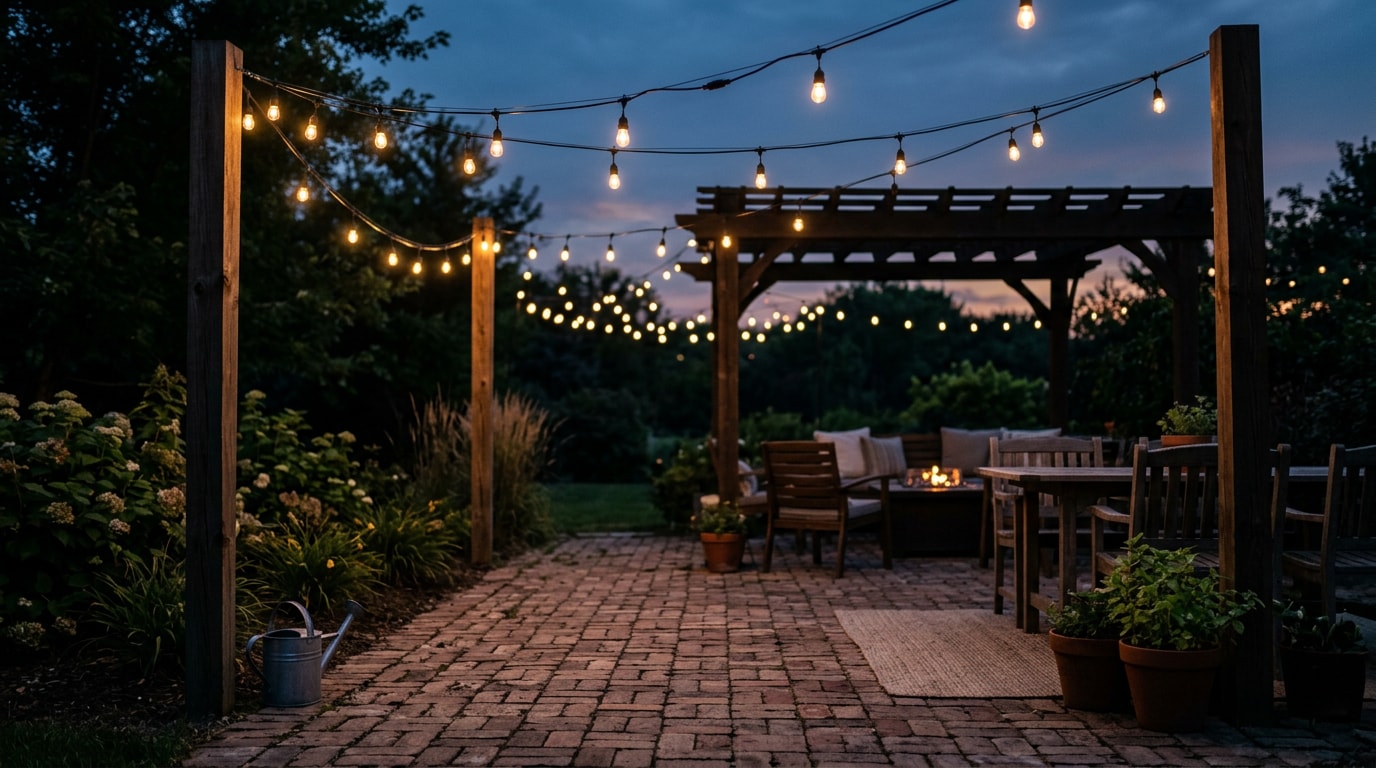
- Patio and deck lighting — extends usable hours for outdoor living, often using recessed or step-mounted fixtures.
- Step and hardscape lighting — marks elevation changes on stairs, retaining walls, and raised beds.
- Accent and uplighting — draws the eye to trees, columns, or stone facades by casting light upward from ground level.
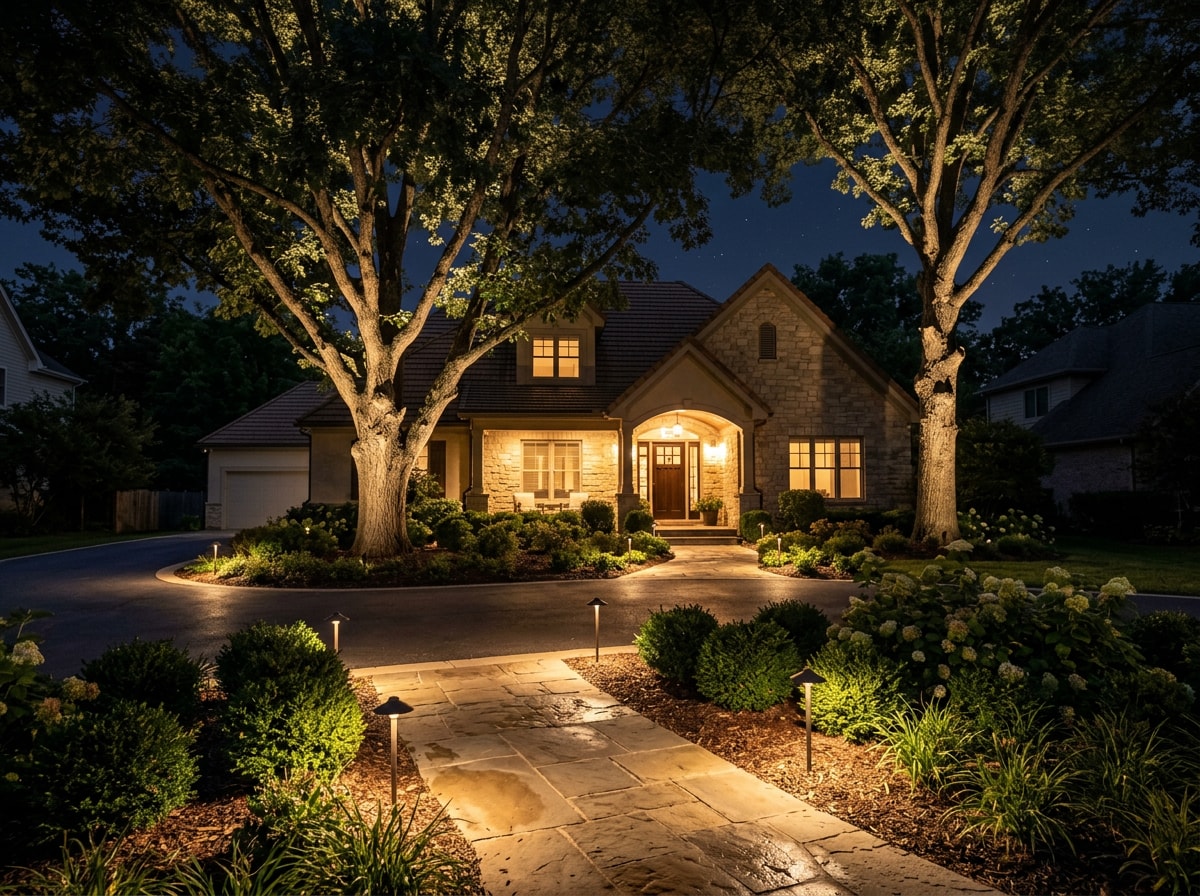
- Driveway and entry lighting — marks the approach to a home and doubles as a wayfinding cue for visitors.
- Security lighting zones — covers vulnerable areas like side yards, gates, and detached garages.
See our full outdoor LED lighting installation page for fixture types and placement details. If you're ready to map these zones on your own property, get a free estimate and we'll walk it with you.
What to Look for in a Lighting Portfolio
A strong lighting portfolio should show range, not a single repeated look. Before hiring, review project photos to understand which techniques a designer is actually comfortable executing.
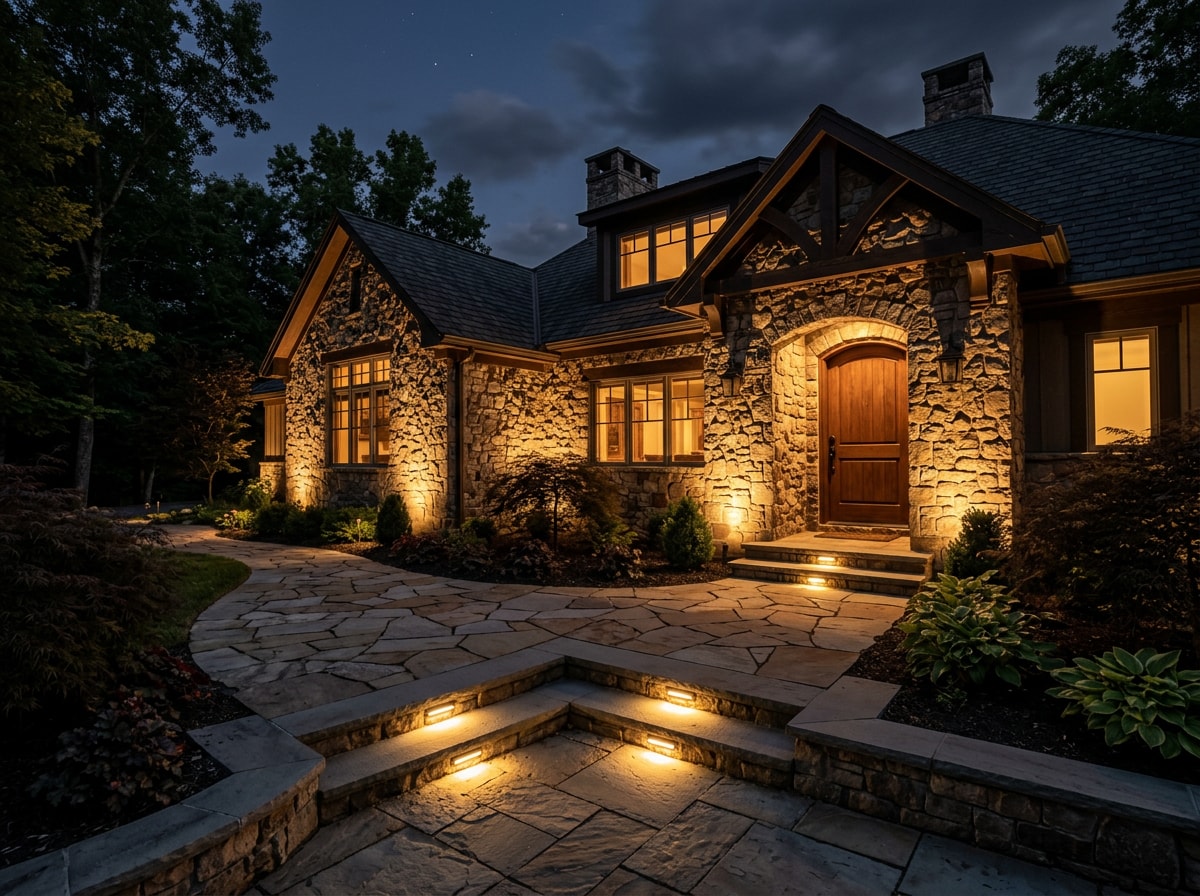
Look for moonlighting — soft, dappled light filtering down through a mature canopy — alongside silhouetting, where a fixture placed behind a plant throws a dramatic outline onto a wall. Path grazing, where light washes low across a textured surface like stone or mulch, is another technique worth spotting in sample photos. You can browse examples of this kind of layered work on our project gallery.
Cost to Hire a Landscape Lighting Designer in Hyde Park, OH
Getting a firm number requires an on-site walkthrough, but the table below gives a rough sense of scale based on project size.
| Project Scope | Typical Fixture Count | Approximate Investment |
|---|---|---|
| Entry and pathway only | 6–12 fixtures | $1,500–$3,500 |
| Front yard with accent uplighting | 12–20 fixtures | $3,500–$7,000 |
| Whole-property or estate-scale design | 25+ fixtures | $8,000 and up |
Labor is usually the largest line item, followed by fixture quality. A budget conversation with a designer should always include transformer capacity, since an underpowered transformer is a common cause of dim or flickering fixtures down the line. For a closer look at what installation day actually involves, our guide on landscaping lights wired in Hyde Park, OH walks through the process and safety steps in more detail.
Pairing Lighting with Hardscape, Patios & Outdoor Living
Lighting design works best when it's planned alongside hardscape and planting design, not added after the fact. When a designer sequences lighting during the same phase as grading, paver patios, and planting beds, wiring runs and fixture locations get built into the plan from day one.
For example, a designer working on a new paver patio will typically route low-voltage wiring beneath pavers before installation, place sleeve conduits under walkways, and mark fixture locations before any planting goes in. That sequencing avoids trenching through finished hardscape or established beds later.
Many Hyde Park homeowners finishing a patio also want it usable after dark in more than one way. If audio is part of that plan, our outdoor sound system installation service pairs with a lighting layout so both get planned together instead of retrofitted. For homes elsewhere in the city with similar established lots, our Cincinnati, OH area page covers how this sequencing plays out across other east-side neighborhoods.
Credentials & Certifications That Actually Matter
Credentials matter because landscape lighting work touches electrical safety, code compliance, and long-term fixture performance — areas where training genuinely shows.
Low-voltage outdoor lighting in the U.S. falls under NEC Article 411, which sets rules like a minimum 6-inch burial depth for listed low-voltage cable and a 10-foot clearance from pools and water features, as Fine Homebuilding's code breakdown explains. A designer who can speak to those specifics, rather than just saying "code-compliant," is a good sign.
Recognized credentials in this trade generally fall into a few categories:
- Manufacturer-specific training programs that certify installers on a particular fixture line.
- Trade association certifications, such as the Association of Outdoor Lighting Professionals' Certified Low Voltage Lighting Technician (CLVLT) and its more advanced Certified Outdoor Lighting Designer (COLD) program, which requires at least three years of installation experience and runs just over a year with mentorship and peer-reviewed design projects.
- State or local licensing confirming a contractor is legally authorized to perform low-voltage electrical work.
Each verifies something different, so it's worth asking a prospective designer which credentials they hold and what those credentials actually test. Credentials won't guarantee great taste, but they're a reasonable proxy for technical competence and code awareness.
FAQ
What Is the Average Cost to Install Landscape Lighting?
Most low-voltage installations for a typical residential property run from a few thousand dollars up to five figures, depending on fixture count and wiring complexity. Cost scales with the number of fixtures, transformer size, and how far wiring runs have to travel across the property. Getting a firm price usually requires an on-site walkthrough rather than a phone estimate.
Is Low Voltage Lighting Safe?
Yes. A transformer steps down standard 120-volt household current to roughly 12 volts before it reaches any fixture, which dramatically reduces shock risk even in wet conditions. This is why low-voltage systems are the residential standard for landscape and pathway fixtures, and why NEC Article 411 governs their installation specifically rather than treating them like standard household wiring.
What Credentials Should I Look for in a Landscape Lighting Designer?
Ask whether the designer holds a trade certification like AOLP's CLVLT or COLD, and whether they or their company carry the state or local licensing required for low-voltage electrical work. Ask what each credential actually tested, since manufacturer training and association certification verify different things.
Is Hiring a Designer Worth It Compared to DIY?
For a few accent lights on a small lot, DIY kits can work fine. For whole-property plans involving mature trees, older facades, or layered zones, a designer's voltage-drop calculations and fixture placement typically prevent the uneven, overly bright results that DIY installs are prone to.
What Areas Should I Prioritize for Landscape Lighting?
Prioritize walkways and entry points first, since they carry the clearest safety benefit for navigating steps, grade changes, and door approaches after dark. From there, most designers move to outdoor living areas like patios and decks, then finish with accent and feature lighting. That order mirrors the general rule in outdoor lighting design: function before decoration.
How Can I Plan Outdoor Lighting Like a Designer?
Walk the property at dusk, since that's when you can see where natural light fades first and where dark gaps form near doors and steps. Note existing features worth highlighting, like mature trees or stone walls. Then layer light levels rather than lighting everything at full brightness: soft path lighting low to the ground, moderate accent lighting at mid-height, and selective uplighting higher up. Avoiding over-lighting matters as much as covering dark spots, since too many fixtures at full output flattens the effect and washes out architectural detail.
If the planning process feels like more than you want to take on solo, get a free estimate and we'll handle the walkthrough, the plan, and the install.