A security system keypad in Mariemont, OH is the control point for everything an alarm system does: arming, disarming, managing user codes, and checking status at a glance. Picking the wrong one, or placing it badly, is one of the most common reasons homeowners end up disarming a system only half the time. This guide breaks down the hardware options, realistic costs, and how a keypad fits into the rest of a connected home security setup.
What a Security System Keypad Actually Controls
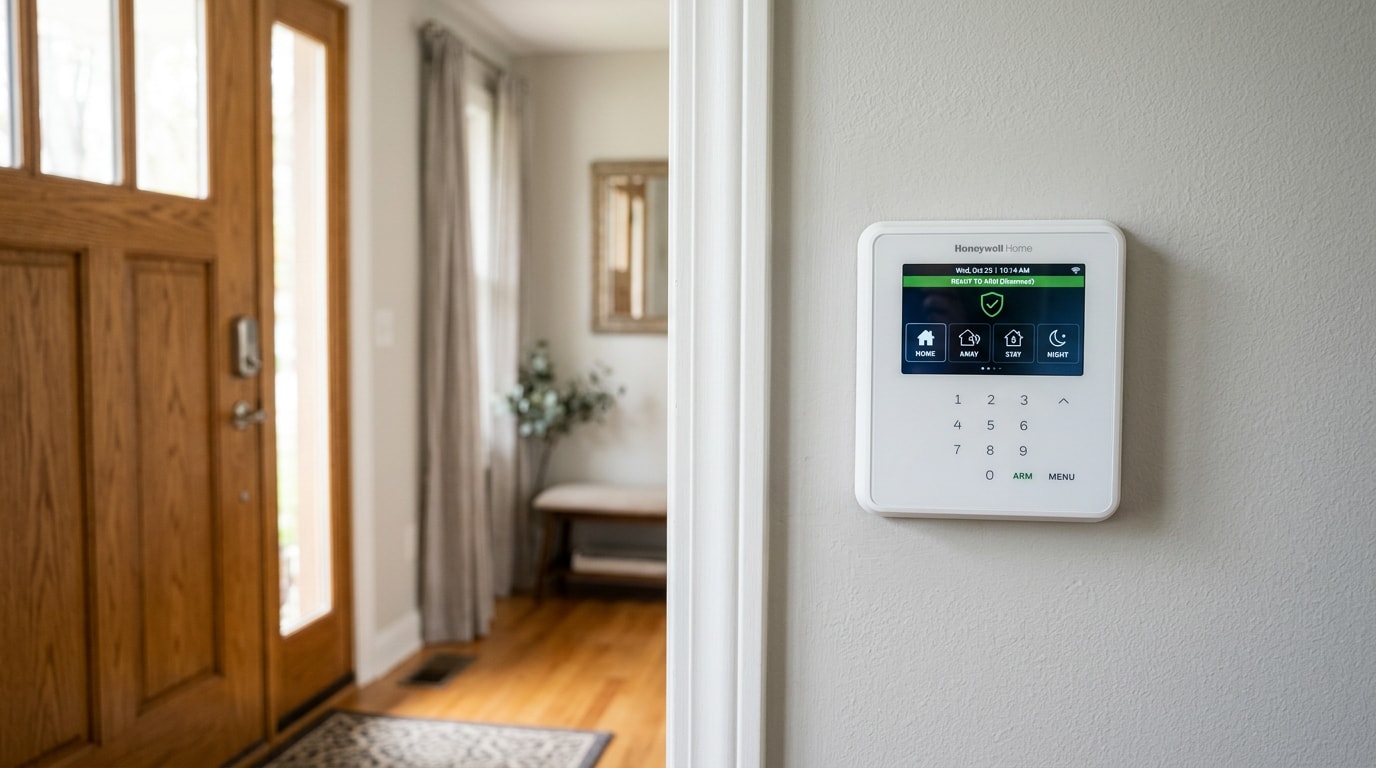
A keypad translates a typed code into a signal the rest of the system understands. It arms and disarms the alarm, manages individual user codes, and usually shows system status on a small screen or LED panel.
In most residential installs, it works alongside door and window sensors, a central monitoring hub, and sometimes cameras or an intercom. Picture a typical Mariemont morning: the homeowner punches in a code and heads to work, arming the system behind them. Later, a dog walker uses a separate guest code to let herself in, and the system logs that entry without tripping an alarm. That's access control working quietly in the background.
Keypad & Access Control Options to Consider
A standard numeric or touchscreen keypad isn't the only way to manage entry. Several hardware options work alongside, or in place of, a keypad depending on how much flexibility or restriction a property needs.
Numeric and Touchscreen Keypads
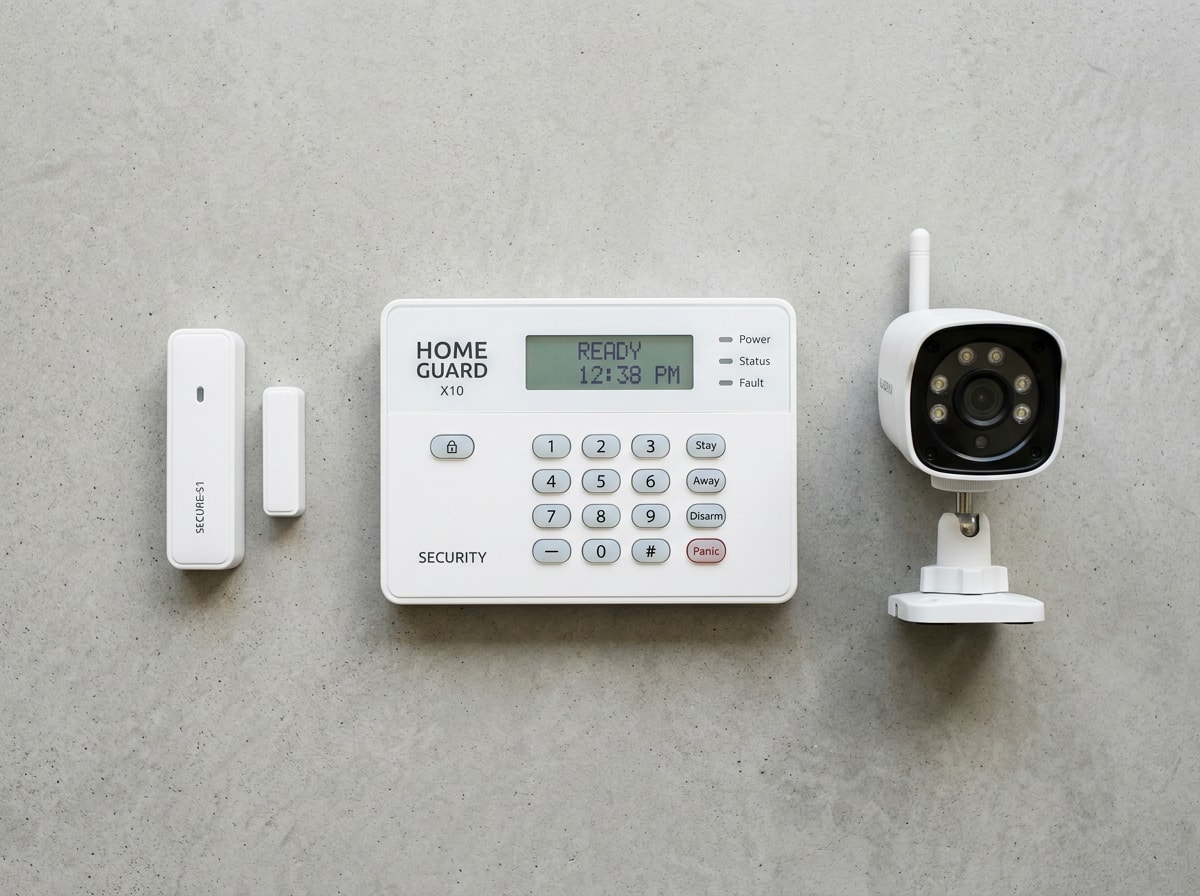
The traditional option: a wall-mounted pad near the main entry where residents type a code to arm or disarm. Touchscreen versions add a visual display for system status, zone activity, and quick-access buttons, which makes them easier for larger households to manage without memorizing menu sequences.
Key Fob Entry Devices
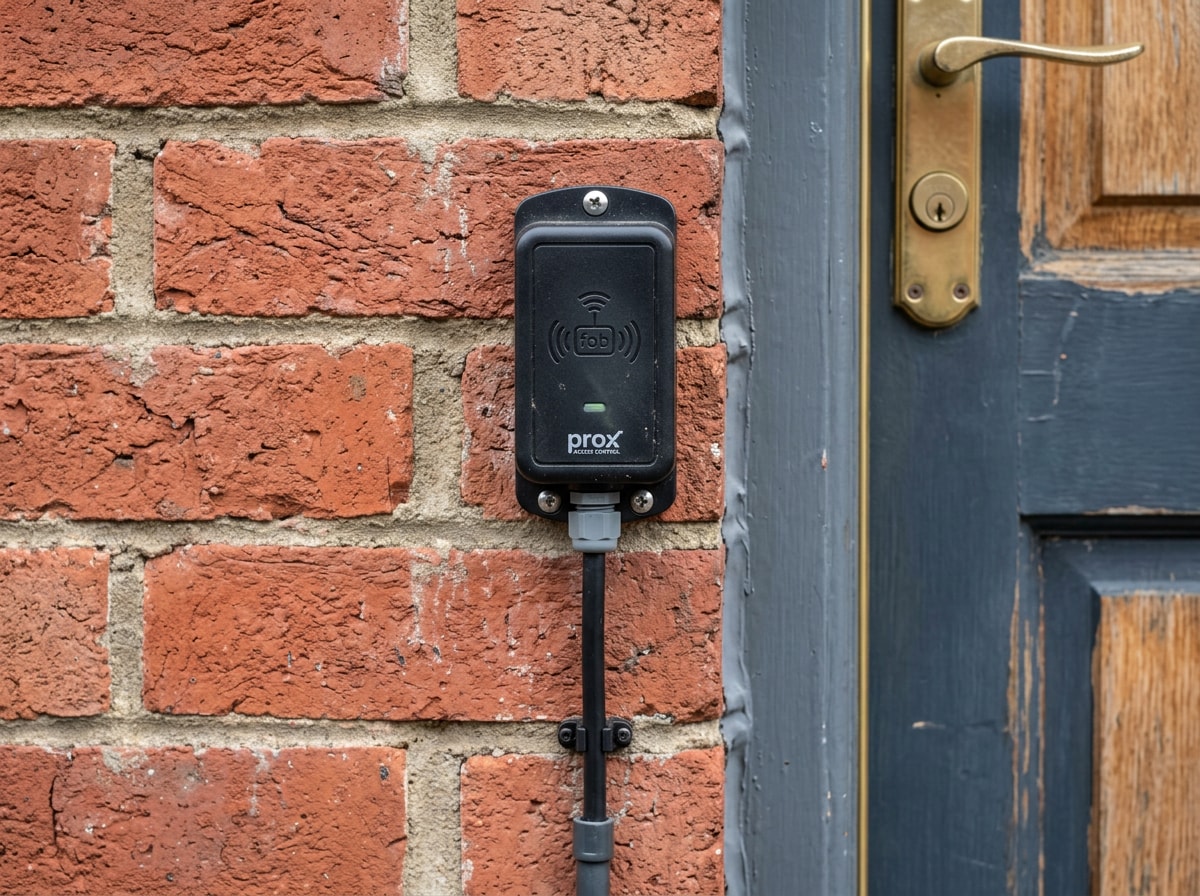
A key fob lets someone tap or carry a small device instead of typing a code, offering quick keyless entry without memorizing numbers. This approach is common in rental units, multi-door properties, or any setup where a dog walker, cleaner, or contractor needs access limited to certain doors or hours.
Biometric Access Systems
A biometric reader uses a fingerprint or similar scan as a higher-security alternative or supplement to a typed code. The second factor of authentication can be achieved through an integral entry pad, an integral biometric reader such as fingerprint, or a direct computer interface. Federal digital identity guidelines also note that biometric characteristics do not constitute secrets on their own, so biometrics are generally supported only as part of multi-factor authentication paired with a physical authenticator. That's part of why biometric readers show up most often on safes, high-value storage rooms, or small offices rather than every residential front door, since the hardware and setup both cost more than a standard keypad.
Intercoms & Video Entry
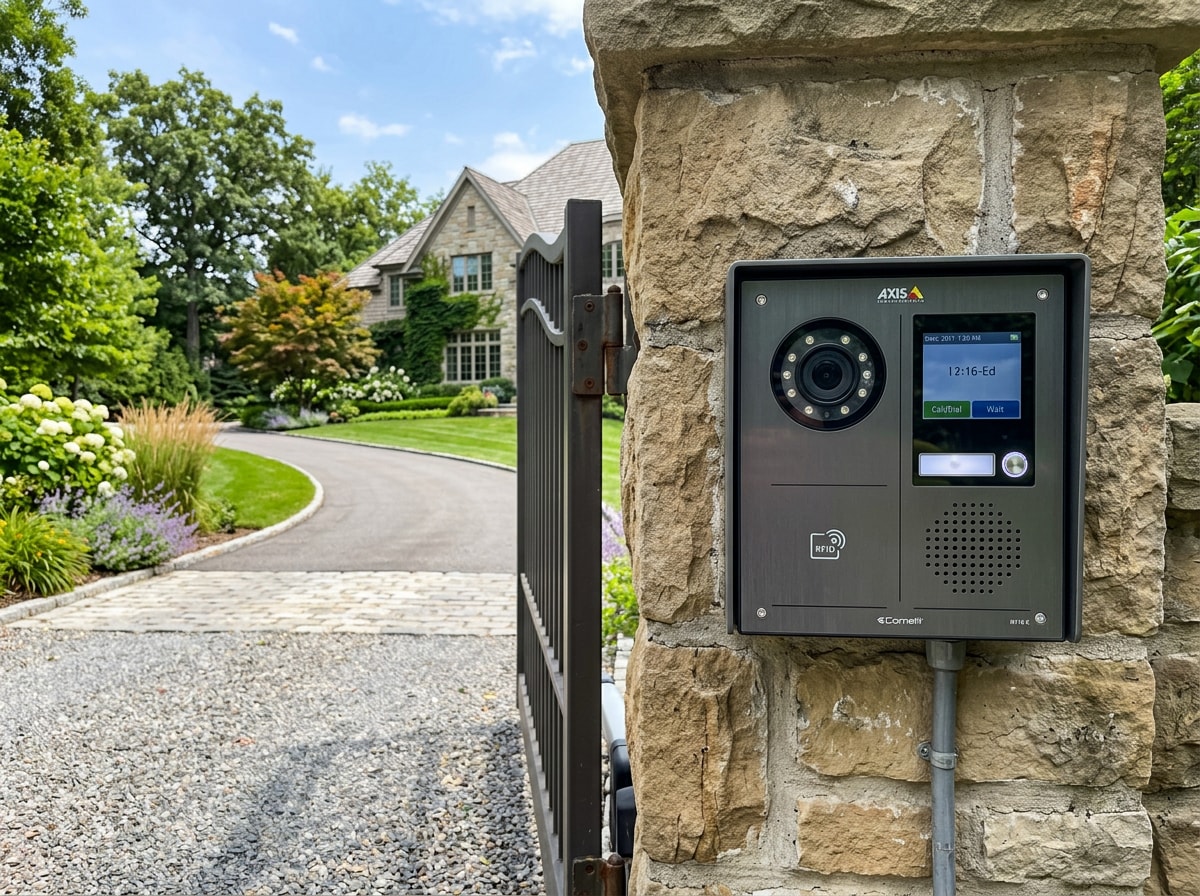
An intercom pairs naturally with a keypad at gated entries or multi-unit properties, letting a resident hear and see a visitor before granting access. Two-way audio or video adds a layer of visitor verification that a keypad alone can't provide, which matters most where strangers regularly approach the door.
Typical Keypad and Access Control Costs
Pricing varies by brand, door count, and whether the system is wired or wireless, but these ranges reflect what most Mariemont homeowners should expect to budget for equipment and professional installation.
| Option | Typical Installed Cost | Best For |
|---|---|---|
| Numeric keypad | $150–$300 | Single-entry homes, straightforward arm/disarm |
| Touchscreen keypad | $250–$500 | Households managing multiple user codes or zones |
| Key fob reader | $100–$300 per door | Rentals, guest access, multi-door properties |
| Biometric reader | $300–$800+ | Safes, home offices, higher-security storage |
| Video intercom | $300–$700 | Gated entries, multi-unit buildings |
These are starting points, not quotes. A walkthrough is the only reliable way to get an accurate number for a specific home.
Matching a Keypad Setup to a Mariemont Household
No two homes use their entrances the same way, so a keypad setup shouldn't be copy-pasted from house to house. A family with kids coming home from school needs different user-code limits than a retired couple who rarely has visitors.
Keypad placement, the number of active user codes, and entry delay timing should all reflect the home's actual layout: how many doors lead outside, how many people need their own code, and whether pets or kids need shorter or longer delays before an alarm triggers. A walkthrough consultation is the standard way local installers settle on that configuration before anything gets installed.
How a Keypad Connects to Sensors, Cameras, and Lighting
A keypad rarely works alone. It typically serves as the control point for a wider connected home security setup, where door and window sensors, cameras, and intercoms all report back to or are triggered through that same keypad or panel.
A simple example: if a door sensor detects the door opening without a valid code entered first, the system can treat that as unauthorized entry and sound an alert rather than staying silent. That kind of layered response is harder to achieve with a standalone lock or sensor. For a closer look at how cameras fit into that layered setup near Mariemont, see this guide on replacement security cameras.
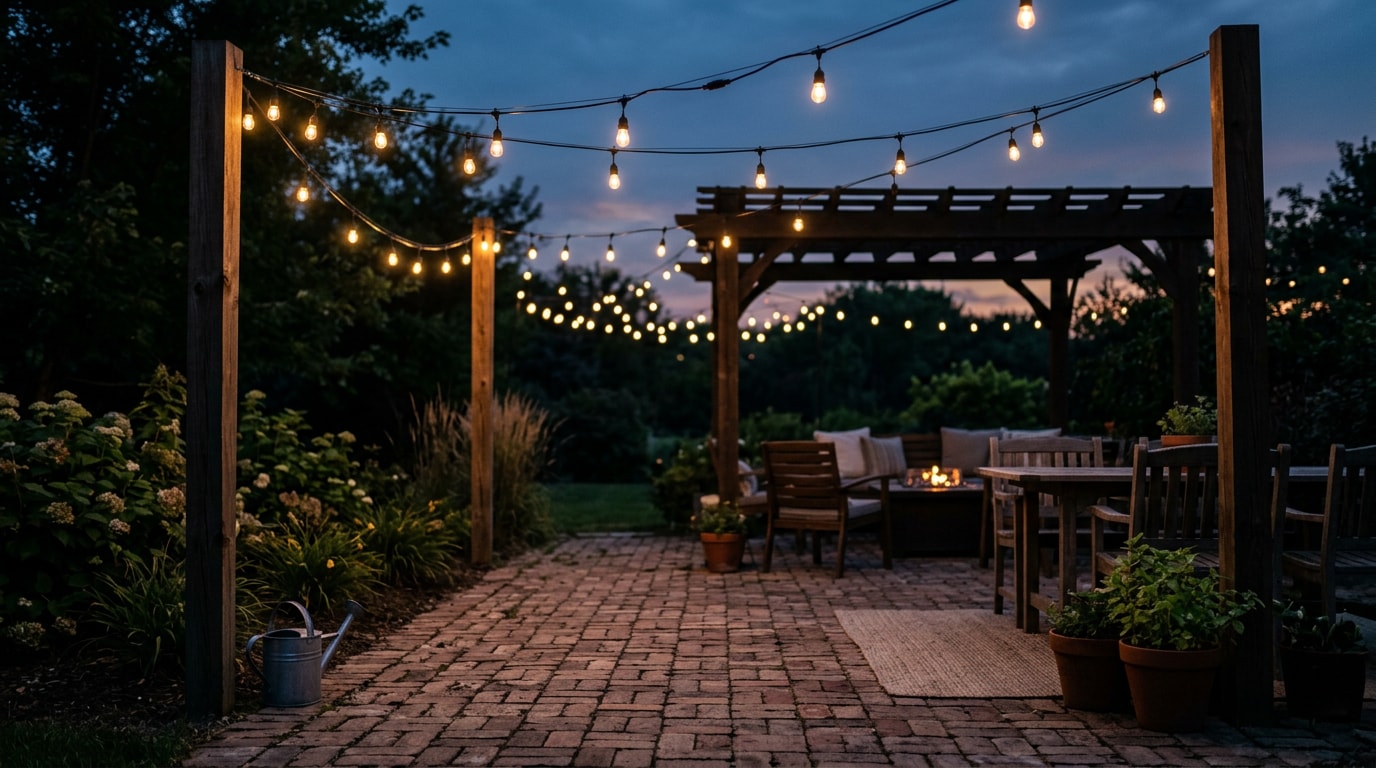
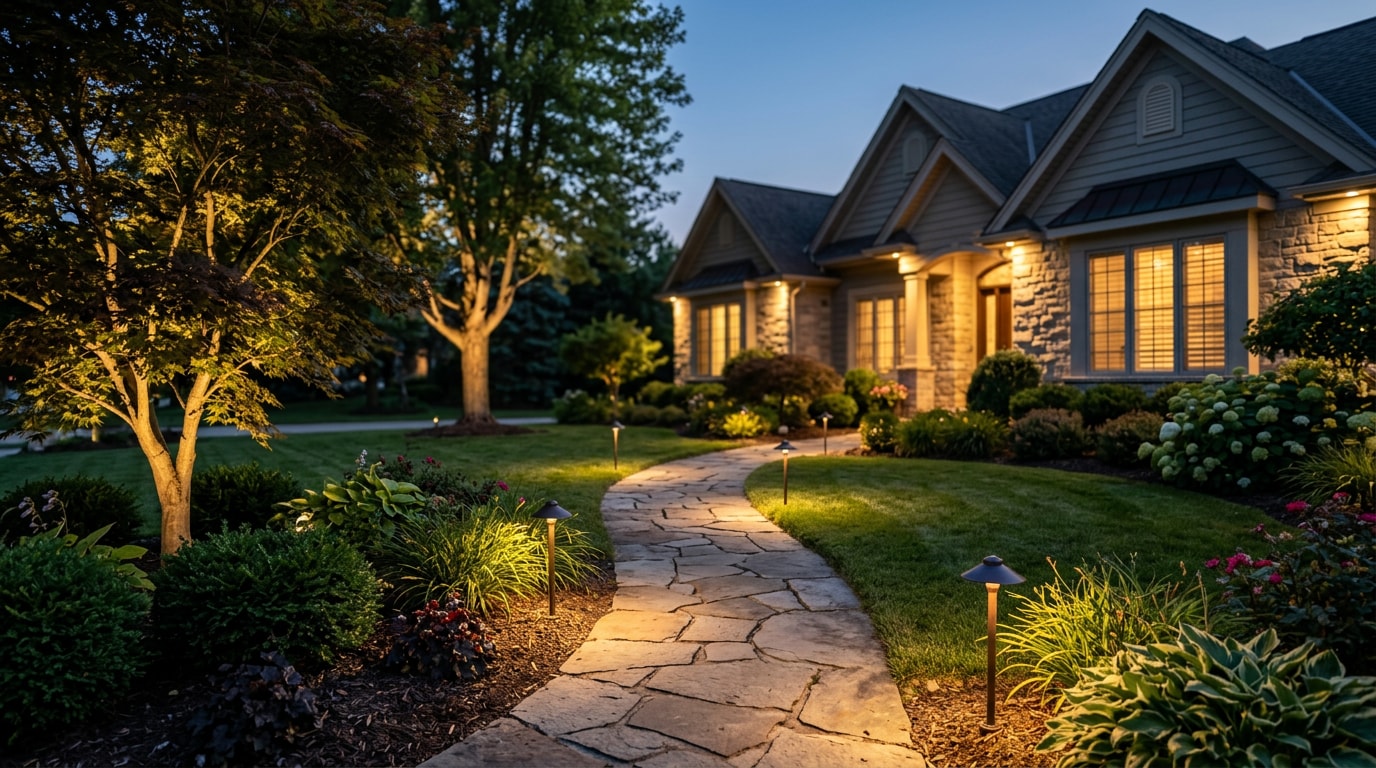
Exterior lighting is the piece that's easiest to overlook. A comprehensive study conducted by the University of North Carolina at Charlotte interviewed more than 400 incarcerated men and women convicted of burglary , and the results showed that as much as 60% of burglars casing a potential target would be deterred by an alarm system. Motion-activated lighting adds another visible layer alongside an armed keypad and camera. If exterior lighting isn't part of the current setup, an outdoor lighting consultation is a reasonable next step to pair with any keypad install.
Keeping a Keypad System Reliable Over Time
A keypad install is often just the starting point. Many Mariemont homeowners pair it with ongoing monitoring plans, scheduled system maintenance, or future upgrades as their needs change. Regular service calls help catch worn sensors, battery issues, or outdated firmware before they turn into bigger problems.
These services work together rather than as one-time purchases, since a system's reliability depends on upkeep as much as installation. For details on coverage near Mariemont, visit the Mariemont service area page, or request a free consultation to walk through what a setup would look like for a specific home.
FAQ
What is the best rated home alarm system?
The best rated home alarm system is less about a single brand and more about specific features: a reliable keypad, dependable battery backup, and fast monitoring response when an alarm triggers. Look for clear installer support and straightforward user-code management, since those factors affect daily use more than marketing claims.
What security system do burglars hate?
Visible deterrents discourage break-ins more than hidden ones. 83% of would-be burglars check for the presence of an alarm system before attempting a break-in , according to national crime data. A keypad's audible chirp on entry, paired with exterior lighting and a visible camera, adds another layer that research on offender decision-making consistently flags as effective.
Are wireless house alarms any good?
Wireless house alarms and wireless keypads install faster and avoid cutting into walls, though they rely on battery backup that needs periodic checking. Hardwired systems skip battery maintenance but cost more to install. Either option works well as long as it's properly placed and tested.
How many user codes can a keypad handle?
Most residential keypads support anywhere from a handful of codes up to 20 or more, depending on the panel. Larger households, rental properties, or homes with regular service visitors usually benefit from a panel on the higher end of that range.
Can a security system keypad work without internet access?
Yes. Most panels can still arm, disarm, and sound a local alarm on cellular or landline backup even if Wi-Fi goes down. Remote app control and some notifications may be limited without a connection, which is why a backup communication path matters for monitored systems.
Is burglary actually declining, or does a keypad still matter?
Nationally, it's trending down. Burglary decreased an estimated 15.8% year over year according to the FBI's most recent reporting. That decline tracks with wider adoption of visible alarm systems and cameras, not a reason to skip one.
Ready to figure out the right keypad and access control setup for a specific Mariemont home? Get a free estimate or start browsing the homepage for the full range of services.